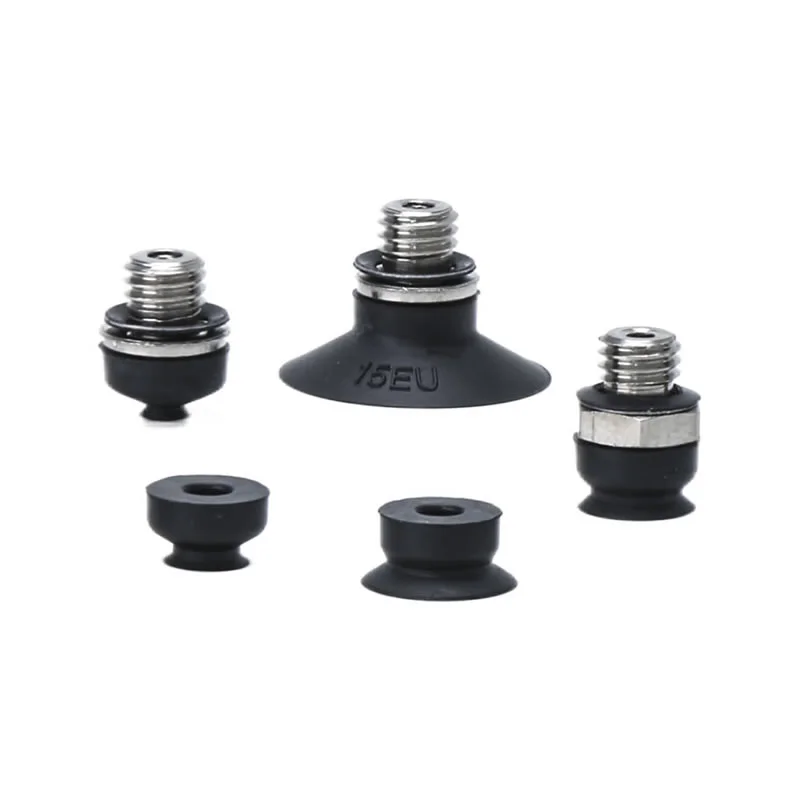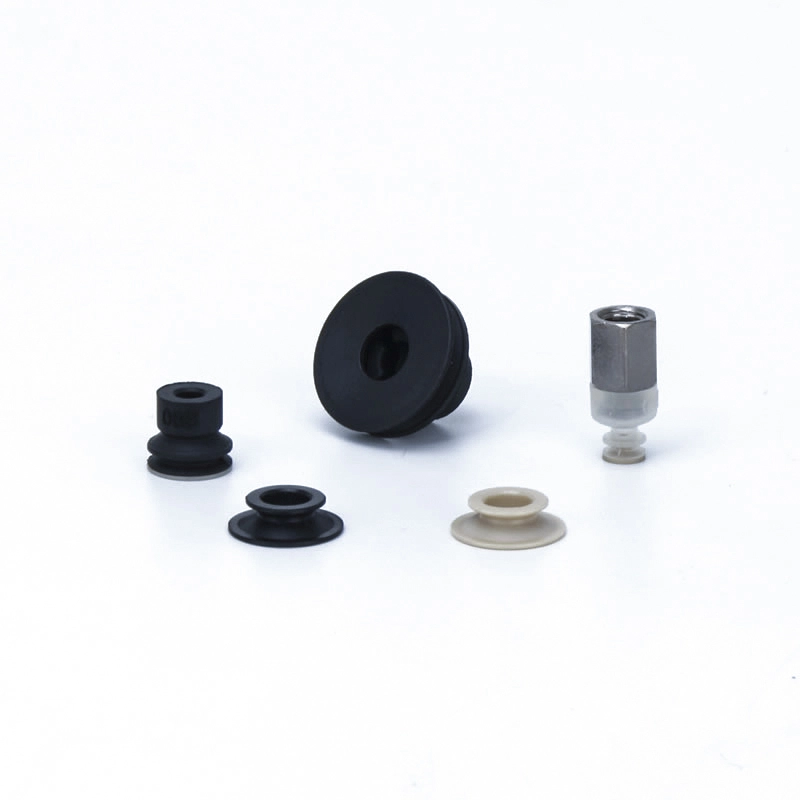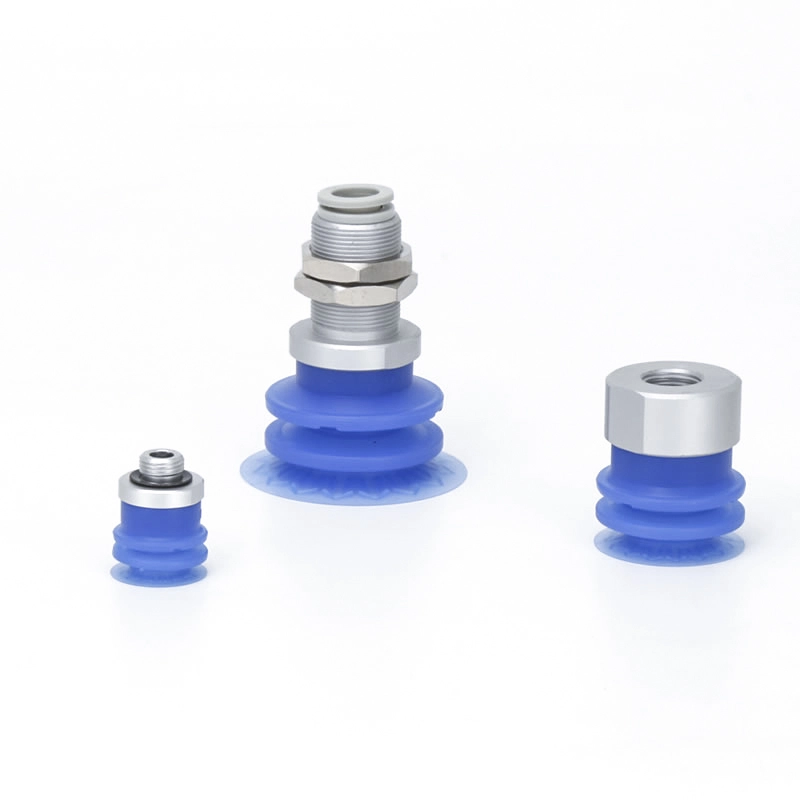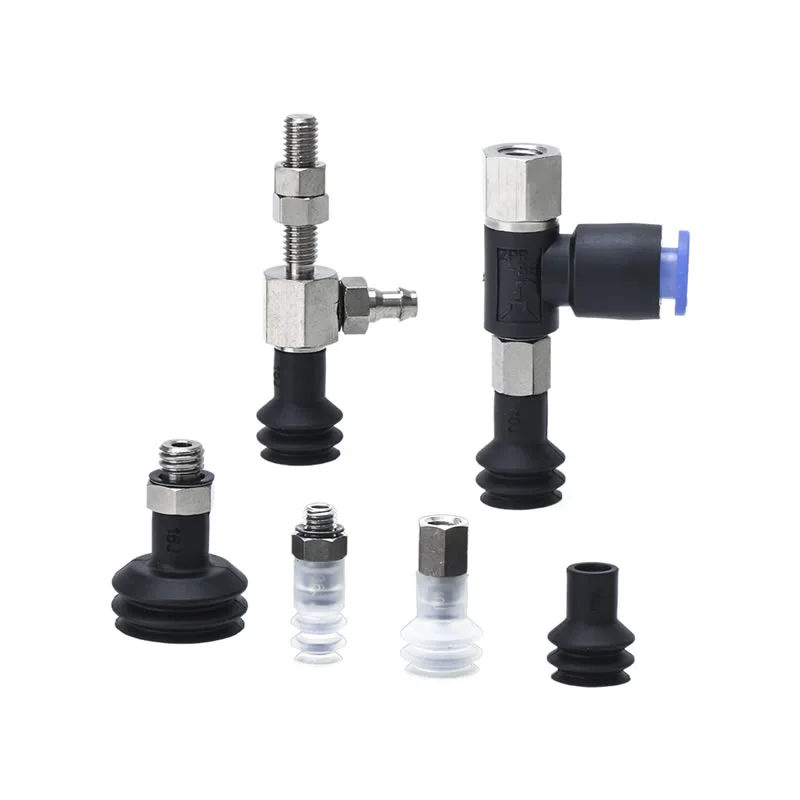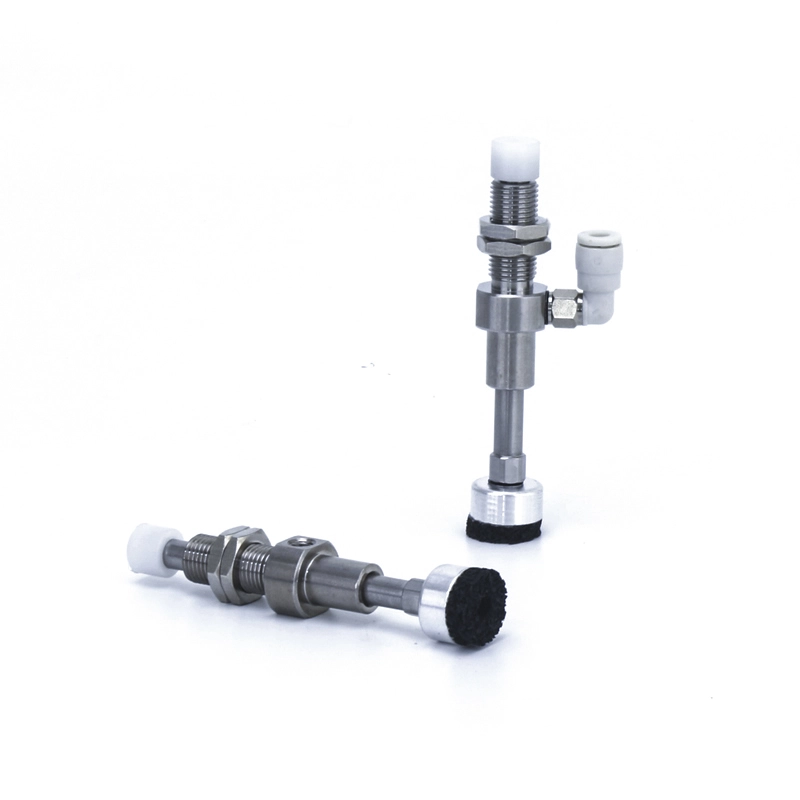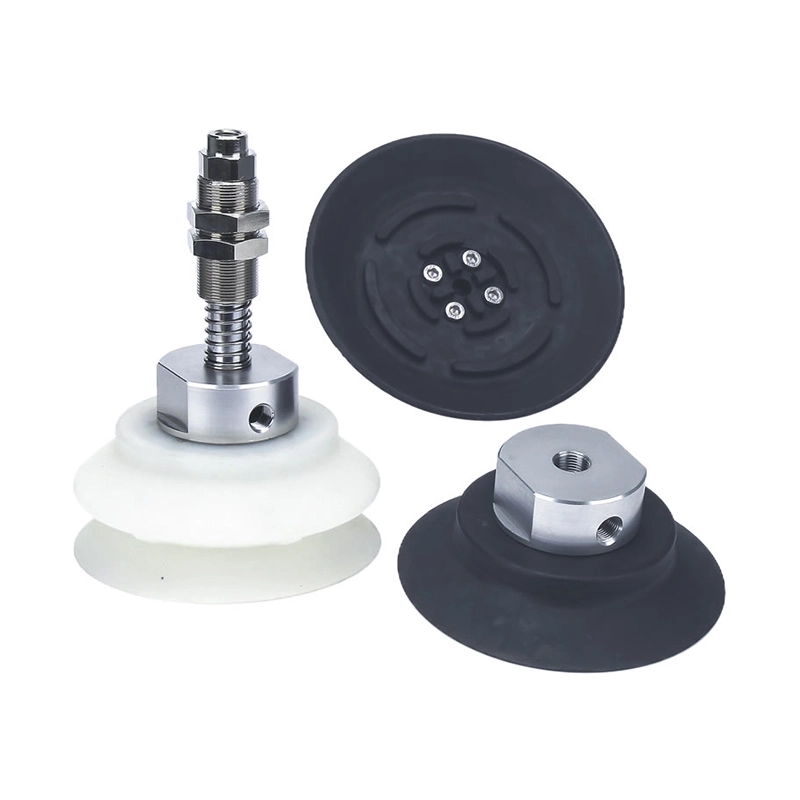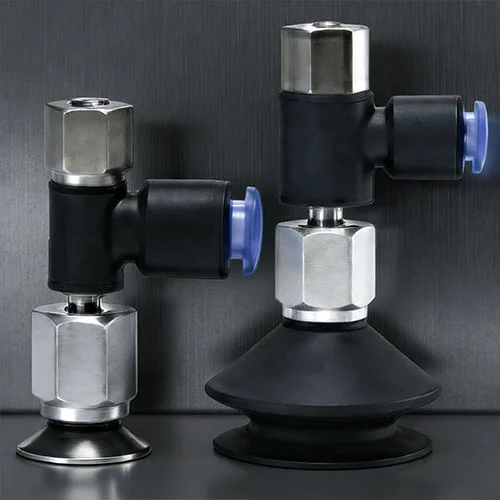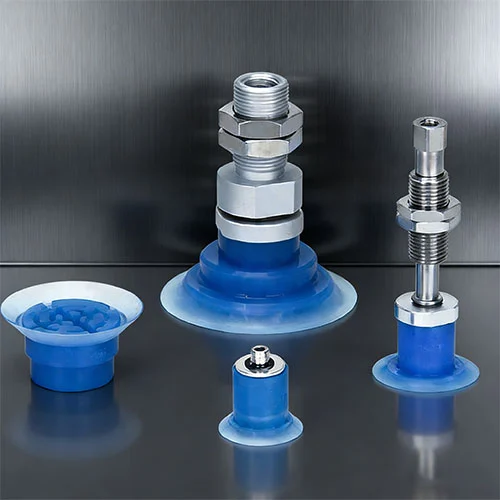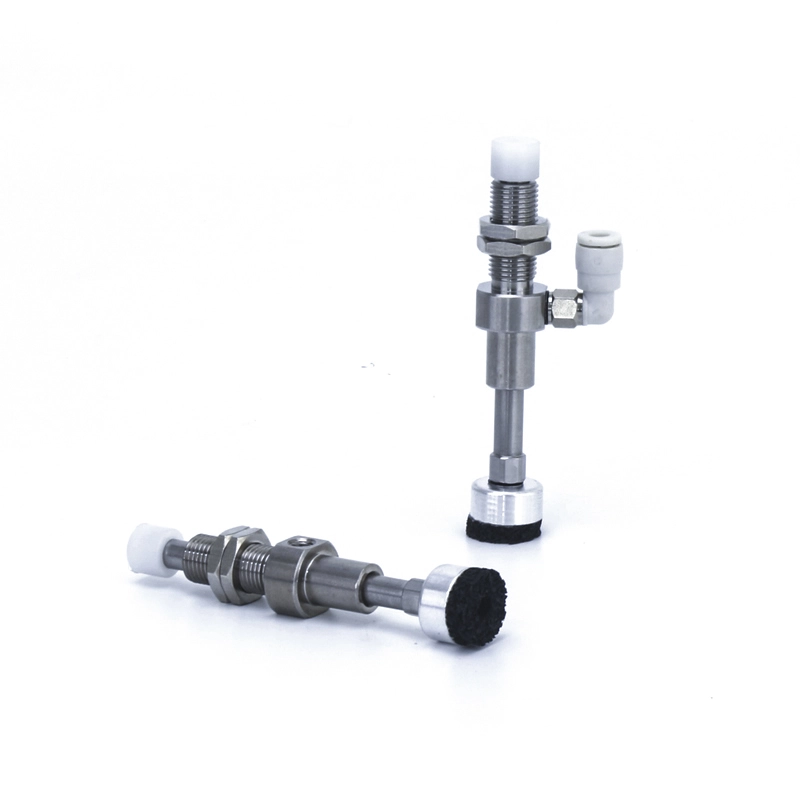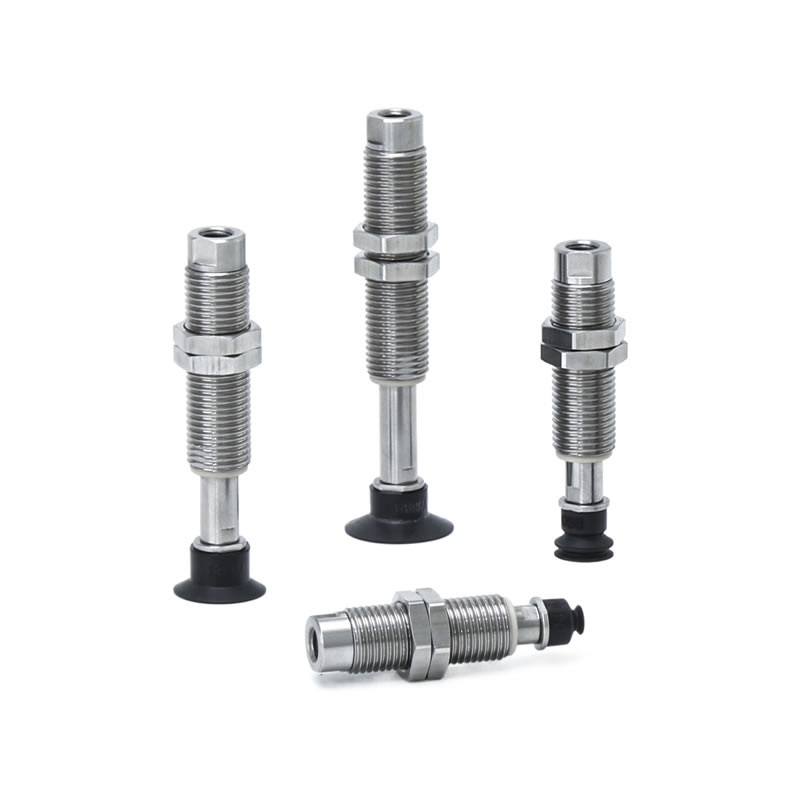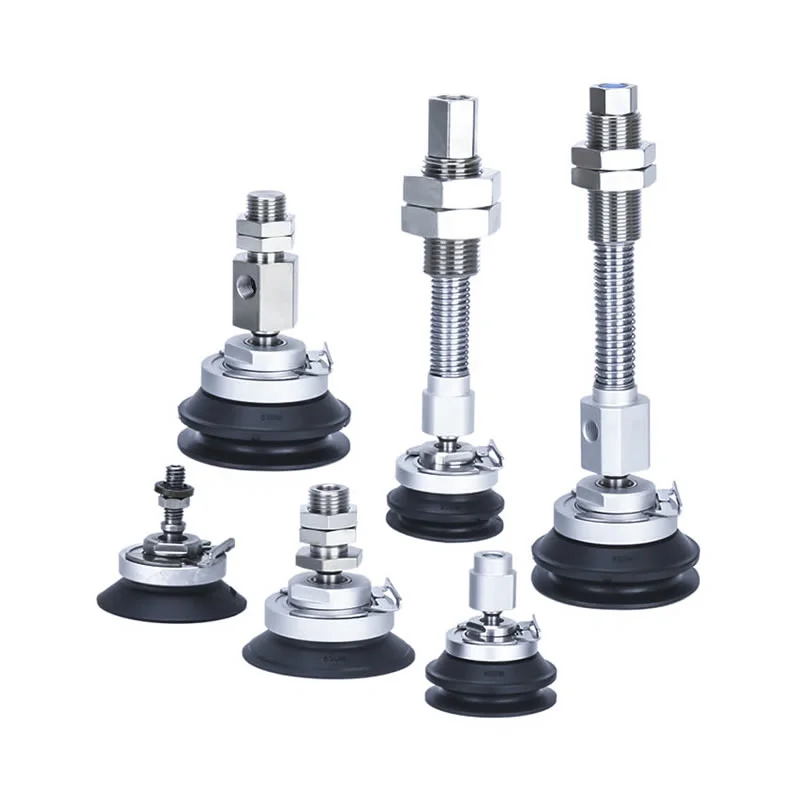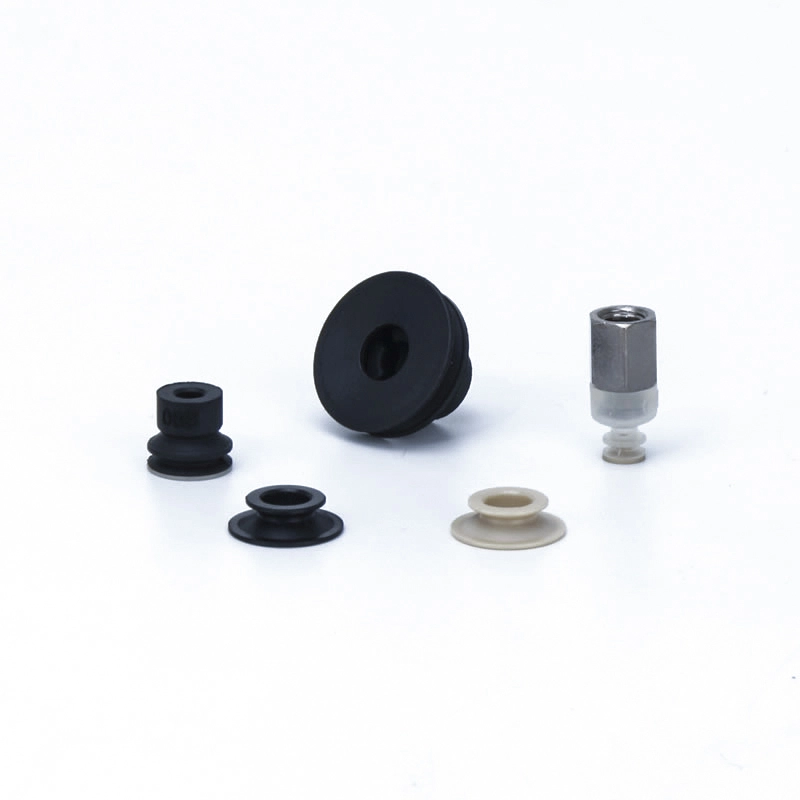
When automated equipment must handle tiny components in extremely limited spaces, Short-type Vacuum Suction Cups ZP2-MU from Comma provide a compact and practical vacuum gripping solution. With pad diameters from φ2 to φ15 mm, a low-profile structure, multiple material choices, and flexible mounting configurations, the ZP2-MU series is designed for precision handling applications where conventional suction cups may be too large or difficult to position.
Short-type Vacuum Suction Cups ZP2-MU are compact flat-type vacuum pads developed for small, lightweight, and precision workpieces. Their space-saving structure makes them particularly suitable for densely arranged automation equipment, while material options such as NBR, silicone rubber, urethane rubber, FKM, conductive NBR, and conductive silicone rubber allow engineers to select a solution according to operating conditions. The series supports pad diameters of φ2, φ3.5, φ4, φ5, φ6, φ8, φ10, and φ15 mm, making it suitable for electronics, semiconductor, precision assembly, packaging, and other automated handling applications.
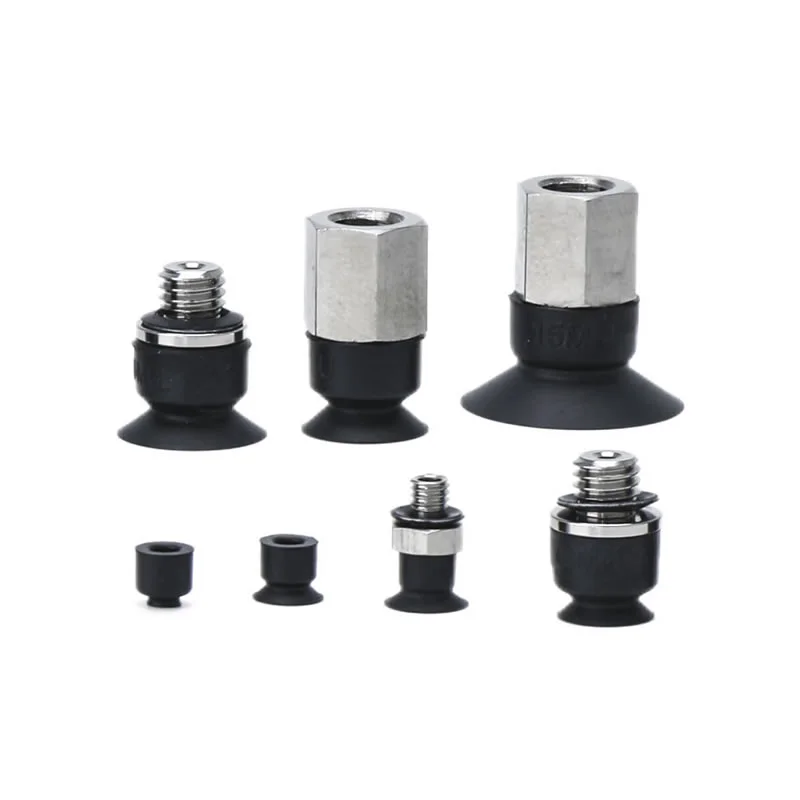
Table of Contents
- What Are Short-type Vacuum Suction Cups ZP2-MU?
- Why Does the Compact Design Matter in Automation?
- What Are the Key Features of ZP2-MU?
- What Specifications Should Buyers Consider?
- How Do Different Pad Materials Affect Performance?
- Where Can ZP2-MU Vacuum Suction Cups Be Used?
- How Should Engineers Select the Right Model?
- What Benefits Can They Bring to Automated Systems?
- FAQ About Short-type Vacuum Suction Cups ZP2-MU
- Why Consider ZP2-MU for Your Next Automation Project?
What Are Short-type Vacuum Suction Cups ZP2-MU?
Short-type Vacuum Suction Cups ZP2-MU are flat-type vacuum pads within the ZP2 series, designed specifically for applications requiring compact dimensions and reliable adsorption. According to the product specifications, the available pad diameters range from φ2 mm to φ15 mm, allowing the suction cups to accommodate very small workpieces.
The low-profile configuration is particularly valuable when the available installation height is restricted. Instead of requiring a large vertical assembly, the short structure allows the vacuum pad to be positioned closer to the workpiece. This can help equipment designers create more compact grippers and improve the accessibility of small components.
The flat contact surface also supports close contact with suitable workpieces. In precision pick-and-place operations, maintaining stable contact is important because excessive movement, deformation, or inconsistent positioning can affect downstream assembly accuracy.
For additional information, buyers can review Comma's Short-type Vacuum Suction Cups ZP2-MU product page for detailed model information and ordering configurations.
Why Does the Compact Design Matter in Automation?
Modern automation equipment is becoming increasingly compact. Robots, linear actuators, assembly stations, and precision handling systems often need to perform multiple operations within a limited working envelope. In such environments, the dimensions of every pneumatic component can affect the overall mechanical design.
A short vacuum suction cup can provide several practical advantages:
- Reduced installation height: The low-profile construction is suitable for restricted vertical spaces.
- Better accessibility: Small pads can reach workpieces located within dense component layouts.
- Compact gripper design: Multiple small suction points can be integrated into a limited area.
- Precision handling: Small pad diameters can match small workpiece surfaces more effectively.
- Flexible equipment integration: Different inlet and thread configurations simplify pneumatic system design.
These characteristics make compact vacuum pads particularly relevant to manufacturers developing high-speed and high-density automated production equipment.
What Are the Key Features of ZP2-MU?
The performance of a vacuum suction cup depends on more than its diameter. Engineers must also consider its profile, material, connection method, workpiece characteristics, and operating environment.
1. Ultra-compact pad sizes
ZP2-MU models are available in φ2, φ3.5, φ4, φ5, φ6, φ8, φ10, and φ15 mm sizes. This broad selection makes the series suitable for micro-components and lightweight parts.
2. Flat contact structure
The MU configuration uses a flat pad design. This structure is intended for stable contact with appropriately shaped workpieces and can help maintain consistent adsorption during repeated pick-and-place cycles.
3. Multiple material options
Users can select different rubber materials according to temperature, chemical exposure, wear, and electrostatic requirements. This makes the product family more adaptable than a single-material vacuum pad.
4. Multiple mounting configurations
The series supports connection options including A3 external threads and H5 or B5 configurations for different pad sizes. Vertical vacuum inlet arrangements are also available through ZP2-T configurations.
5. Conductive options for sensitive applications
Conductive NBR and conductive silicone rubber options can be selected when static electricity control is important. This is especially relevant to electronics and semiconductor manufacturing environments.
What Specifications Should Buyers Consider?
Choosing a vacuum suction cup should begin with the actual workpiece and machine configuration rather than simply selecting the smallest available model. The following specifications are important when evaluating ZP2-MU for an automation project.
| Specification | Available Options / Information | Why It Matters |
|---|---|---|
| Pad Type | MU Flat Type | Supports compact and stable contact with suitable surfaces |
| Pad Diameter | φ2, φ3.5, φ4, φ5, φ6, φ8, φ10, φ15 mm | Allows matching the pad to small workpiece dimensions |
| Material | NBR, Silicone, Urethane, FKM, Conductive NBR, Conductive Silicone | Allows adaptation to temperature, chemical, wear, and static-control requirements |
| Connection | A3, H5, B5 depending on model | Supports integration with different pneumatic layouts |
| Structure | Short / low profile | Useful where installation height is restricted |
| Typical Workpieces | Small and lightweight components | Suitable for precision pick-and-place operations |
How Do Different Pad Materials Affect Performance?
Material selection is one of the most important decisions when specifying a vacuum pad. Different materials exhibit different levels of temperature resistance, chemical resistance, abrasion resistance, and suitability for special industrial environments.
| Material | Typical Temperature Range | Suitable Applications |
|---|---|---|
| NBR | 0°C to 120°C | General industrial work, metal plates, veneer and corrugated board |
| Silicone Rubber | -30°C to 200°C | Semiconductor handling, thin workpieces and food-related equipment |
| Urethane Rubber | 0°C to 60°C | General handling of corrugated board, iron plate and veneer |
| FKM | 0°C to 250°C | Chemical-related applications and demanding temperature environments |
| Conductive NBR | 0°C to 100°C | Semiconductor applications requiring static electricity control |
| Conductive Silicone | -10°C to 200°C | Semiconductor and electronics applications with electrostatic concerns |
Actual material selection should always be based on the complete operating environment, including workpiece surface, temperature, chemicals, vacuum conditions, and required service life.
Where Can ZP2-MU Vacuum Suction Cups Be Used?
The small dimensions and material flexibility of ZP2-MU make the series particularly relevant to precision automation.
Electronics and semiconductor manufacturing
Small electronic components require careful handling because excessive mechanical force or electrostatic discharge can damage sensitive products. Conductive silicone and conductive NBR options can therefore be considered for applications where static control is part of the equipment design.
Precision assembly
Automated assembly systems often manipulate small plastic, metal, or electronic parts. A compact suction cup can help the end-of-arm tooling reach workpieces without interfering with adjacent components.
Packaging automation
Lightweight packaging components and small products can be transferred using vacuum gripping technology. Multiple small suction cups can also be arranged to create a customized gripping pattern.
Micro-component handling
When workpieces are only a few millimeters in size, a large suction pad may not provide an efficient contact area. The φ2–φ15 mm range of ZP2-MU offers more options for matching the gripping point to the component.
How Should Engineers Select the Right Model?
A systematic selection process can reduce integration problems and improve vacuum gripping reliability.
- Measure the available contact area. Select a pad diameter that fits securely on the intended gripping surface.
- Check the installation space. Confirm that the short-type structure and selected connection configuration fit the gripper.
- Evaluate the workpiece material. Surface texture, rigidity, porosity, and cleanliness can affect vacuum performance.
- Select the appropriate rubber material. Consider temperature, chemicals, abrasion, and static electricity.
- Confirm the vacuum connection. Match the A3, H5, B5, or applicable adapter configuration with the pneumatic system.
- Test the complete assembly. Verify adsorption stability, cycle time, positioning accuracy, and release behavior under actual operating conditions.
This approach is especially useful for buyers looking for a China manufacturer or supplier capable of supporting customized pneumatic component requirements.
What Benefits Can They Bring to Automated Systems?
For machine builders, the value of a compact vacuum pad is not simply its small size. Its real advantage comes from how that compactness contributes to the overall automation system.
- Space efficiency: Short construction helps engineers work within restricted installation areas.
- Component compatibility: Multiple pad sizes accommodate different small workpieces.
- Material flexibility: Several rubber choices support different industrial environments.
- Precision-oriented handling: Small contact surfaces can be better suited to micro-components.
- Static-control options: Conductive materials are available for electronics and semiconductor applications.
- Integration flexibility: Different inlet and thread configurations can simplify equipment design.
- Bulk production consistency: For automated systems using multiple suction cups, dimensional consistency is important for repeatable gripping performance.
FAQ About Short-type Vacuum Suction Cups ZP2-MU
What does MU mean in the ZP2 series?
MU identifies the flat, short-type configuration within the ZP2 series. It is designed for compact installation and precision handling of small and lightweight workpieces.
What sizes are available for ZP2-MU?
The available pad diameters include φ2, φ3.5, φ4, φ5, φ6, φ8, φ10, and φ15 mm. The appropriate size should be selected according to the workpiece dimensions and usable contact area.
Which material is suitable for semiconductor applications?
Silicone rubber is listed for semiconductor-related applications, while conductive NBR and conductive silicone rubber are available when static electricity control is required. The final selection should consider the specific process environment.
Can ZP2-MU be used in limited installation spaces?
Yes. Its short and low-profile structure is specifically intended for applications where installation height is restricted.
Can the suction cups be customized?
Selected configurations can be customized. Buyers should provide information about the workpiece, required pad diameter, material, mounting configuration, vacuum inlet direction, and operating environment so the appropriate configuration can be evaluated.
Why Consider ZP2-MU for Your Next Automation Project?
Short-type Vacuum Suction Cups ZP2-MU combine compact construction, small pad diameters, flexible material selection, and multiple mounting options into a practical solution for precision vacuum handling. From semiconductor and electronics production to precision assembly and packaging automation, the series can help machine designers address the challenges of small workpieces and restricted installation spaces.
If you are sourcing compact vacuum suction cups for automated equipment, evaluating different pad materials, or developing a customized pneumatic gripping solution, Comma can help you identify a suitable ZP2-MU configuration according to your application requirements. For model selection, bulk purchasing, customized solutions, or technical questions, contact us to discuss your project and find the right vacuum suction cup solution for your automation system.