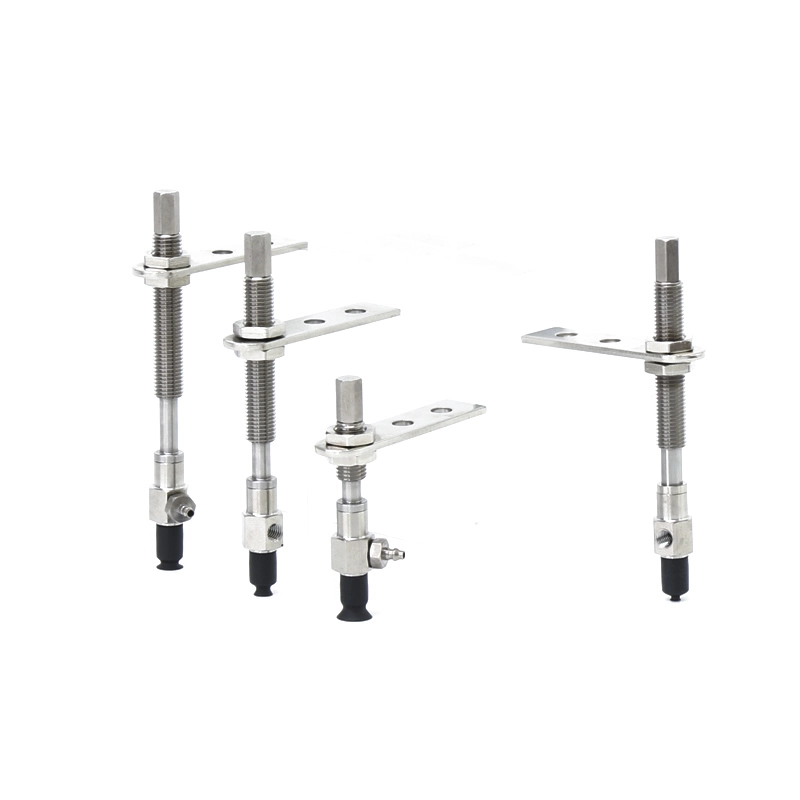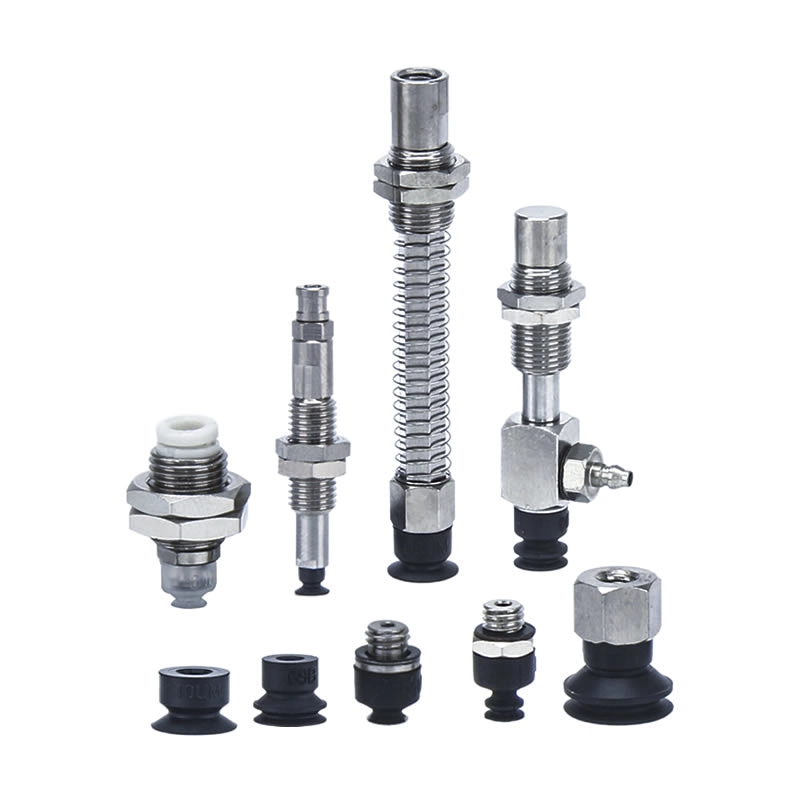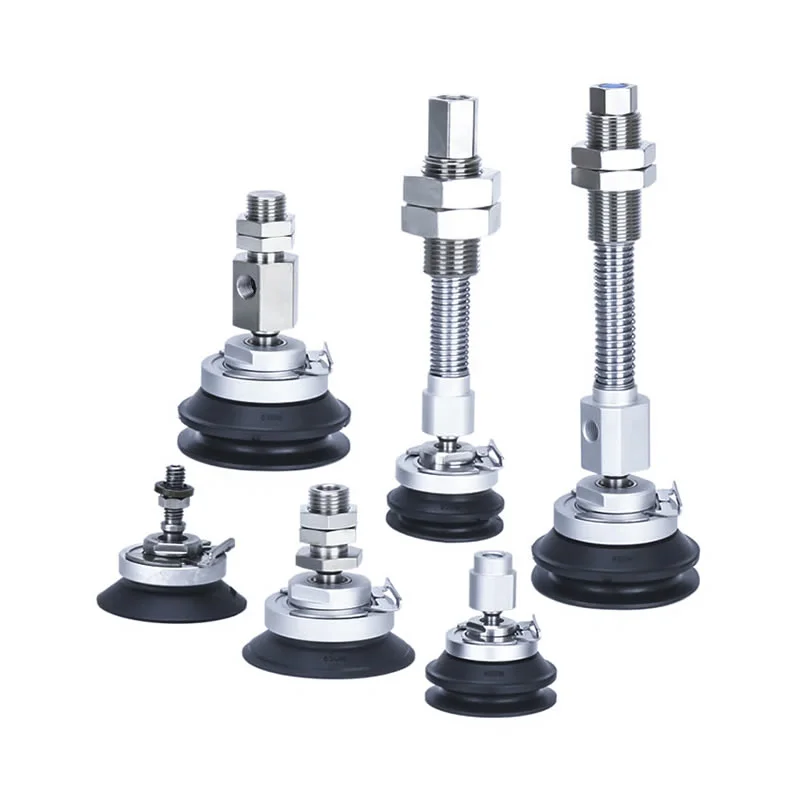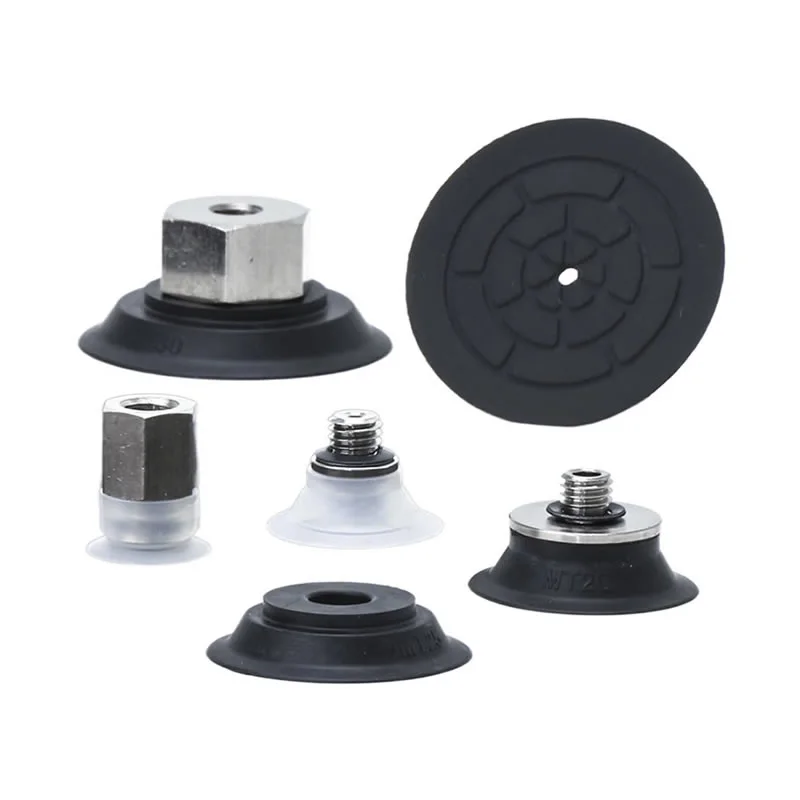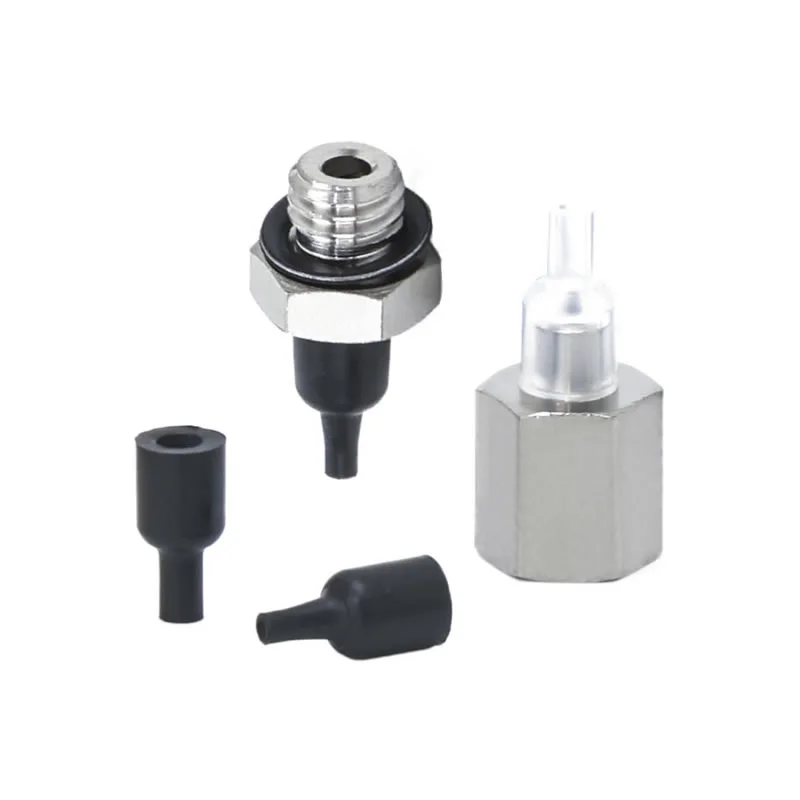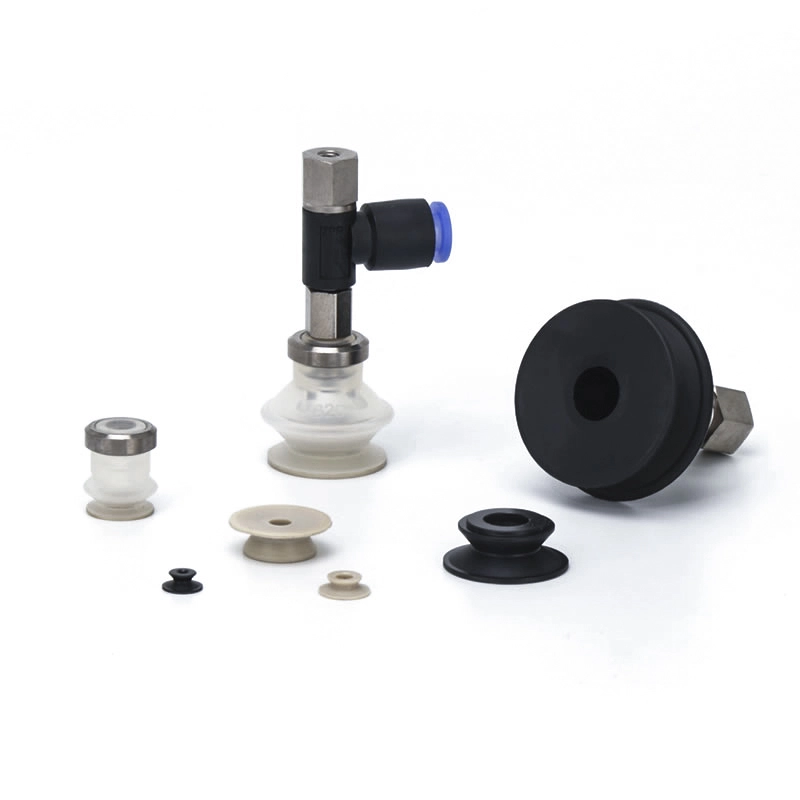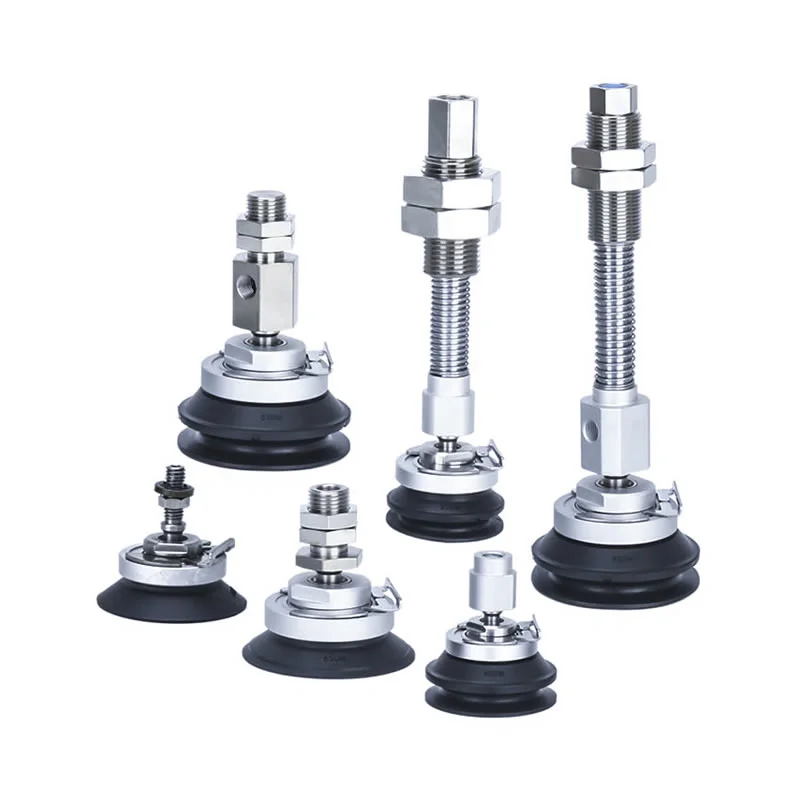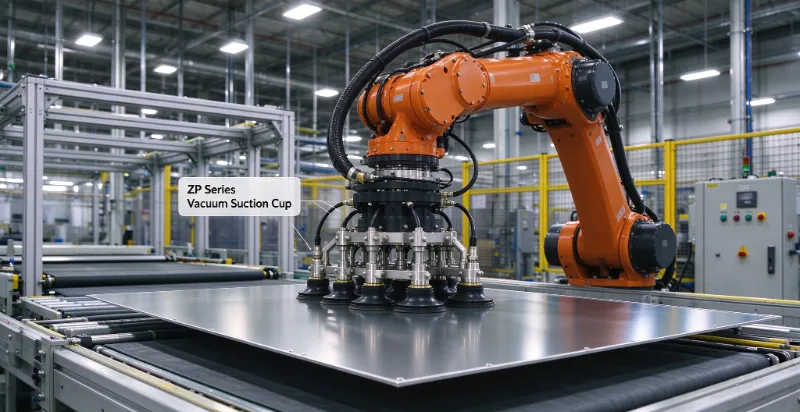
Abstract: Handling thin films, flexible bags, and deformable packaging materials is a demanding task for automated equipment because conventional gripping methods can create wrinkles, leakage, tearing, or unstable positioning. The For Film Adsorption Vacuum Suction Cups ZP3P-PT from Comma are specifically designed for flexible materials, combining a thin-film skirt structure with silicone rubber and stable vacuum adsorption. This article explains their design, material characteristics, configuration options, industrial applications, and selection considerations for manufacturers and automation engineers.
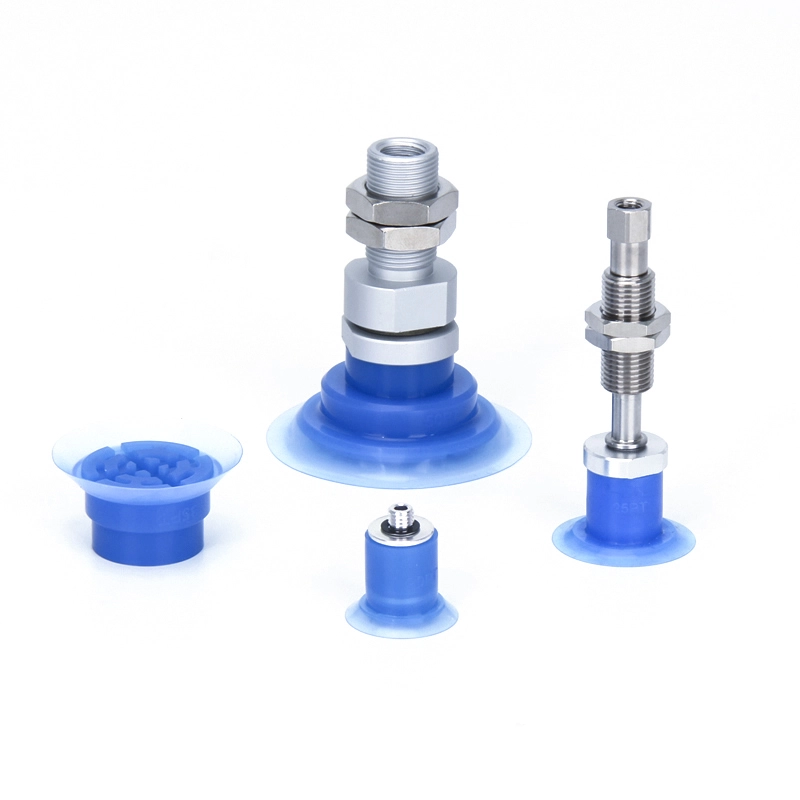
Table of Contents
- Why Are ZP3P-PT Vacuum Suction Cups Designed for Film Handling?
- What Are the Key Features of ZP3P-PT?
- What Specifications Should Buyers Consider?
- Where Can ZP3P-PT Be Used?
- What Advantages Does Flexible-Film Vacuum Gripping Provide?
- How Should You Select the Right Configuration?
- How Can Users Maintain Reliable Vacuum Performance?
- Frequently Asked Questions
- Conclusion
Why Are ZP3P-PT Vacuum Suction Cups Designed for Film Handling?
Flexible films and packaging bags behave very differently from rigid workpieces. They can bend, wrinkle, deform, and allow air leakage when a conventional vacuum pad cannot establish a stable seal. These characteristics make reliable automated handling particularly important in packaging, logistics, food processing, and medical-product manufacturing.
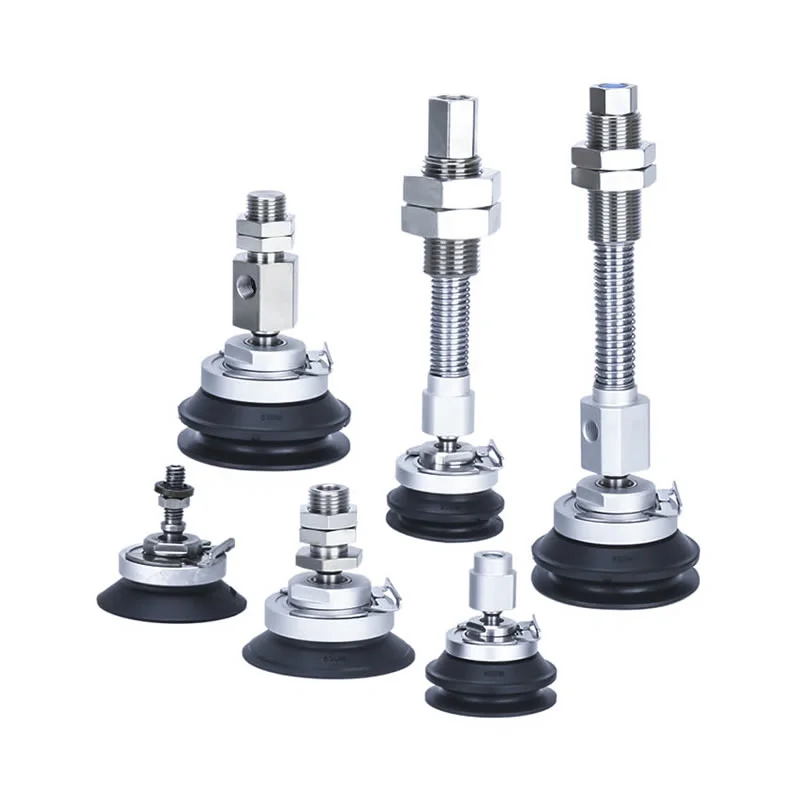
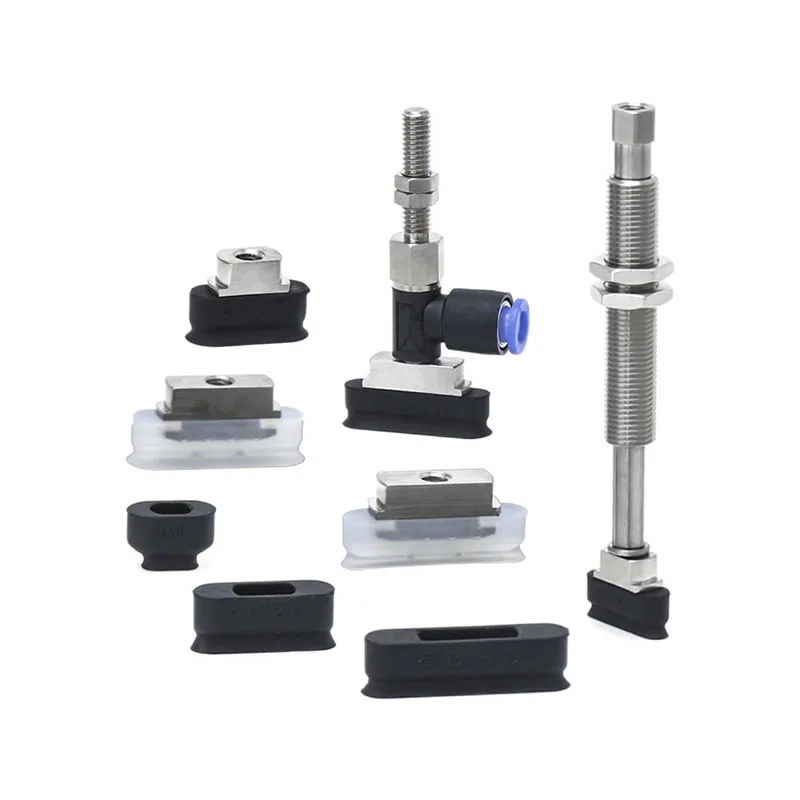
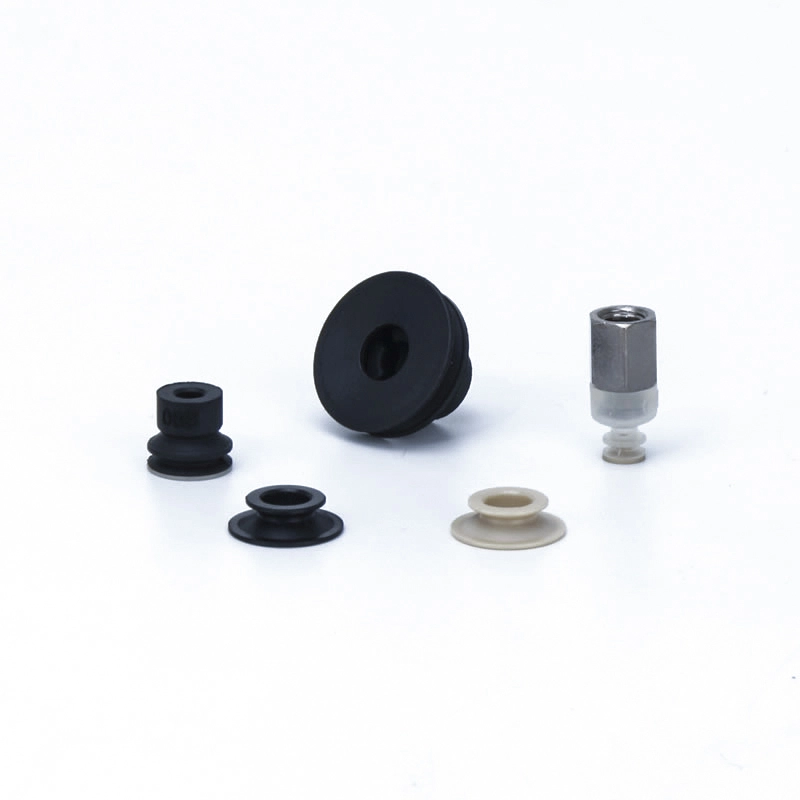
The For Film Adsorption Vacuum Suction Cups ZP3P-PT are developed specifically for thin films and flexible materials. According to Comma's product information, the special skirt structure improves airtightness and contact stability while helping reduce wrinkles during adsorption. The design is therefore well suited to automated pick-and-place operations where the workpiece must be transferred accurately without unnecessary deformation.
For buyers evaluating ZP3P-PT vacuum suction cups, the main objective is not simply maximum suction force. The more important consideration is achieving the right balance between sealing, flexibility, vacuum stability, and gentle contact with the film.
What Are the Key Features of ZP3P-PT?
The ZP3P-PT configuration combines several design characteristics intended to address common problems in flexible-material automation.
- Thin-film skirt design: The PT pad type is specifically identified as a thin-film skirt type for flexible workpieces.
- Flexible sealing: The skirt can conform more effectively to soft and deformable surfaces.
- Reduced vacuum leakage: Improved contact stability helps maintain adsorption during automated movement.
- Wrinkle reduction: The design helps reduce wrinkles generated during adsorption of thin films and vinyl-like materials.
- Silicone rubber option: The product configuration uses silicone rubber, which is suitable for applications requiring flexible contact.
- Multiple pad diameters: Available diameter options include 15, 20, 25, 35, and 50 mm.
- Buffer options: Different buffer strokes and rotating or non-rotating configurations provide flexibility when integrating the pad into automation equipment.
These features make the product particularly relevant to automated systems in which the workpiece cannot tolerate aggressive mechanical clamping or excessive deformation.
What Specifications Should Buyers Consider?
Before purchasing a vacuum suction cup for a production line, engineers should evaluate the workpiece, vacuum system, mounting structure, movement speed, and required positioning accuracy. The following specifications provide a useful starting point for evaluating the ZP3P-PT configuration.
| Specification | Available / Applicable Option | Why It Matters |
|---|---|---|
| Pad type | PT – Thin Film Skirt Type | Optimized for thin and flexible materials |
| Pad diameter | Ø15, Ø20, Ø25, Ø35, Ø50 mm | Allows adaptation to different workpiece sizes |
| Material | Silicone rubber | Provides flexible contact with delicate surfaces |
| Buffer type | Rotating or non-rotating | Supports different motion and mounting requirements |
| Buffer stroke | 10, 20, 30, 40, 50 mm | Helps accommodate variations in workpiece position |
| Vacuum inlet | Multiple thread and tubing options | Facilitates integration with different pneumatic systems |
The final configuration should be selected according to the actual film thickness, surface condition, load, acceleration, vacuum generator performance, and installation geometry rather than relying on pad diameter alone.
Where Can ZP3P-PT Be Used?
Because flexible films are widely used across modern manufacturing and logistics, the potential applications of thin-film vacuum gripping extend well beyond one packaging process.
Food and Packaging Automation
The suction cups can be used for handling beverage bags, sauce packets, milk powder bags, flour bags, cling film, and other flexible packaging. A suitable sealing skirt can help stabilize the workpiece while minimizing wrinkles and leakage-related handling problems.
Medical and Pharmaceutical Packaging
Flexible medical packaging, including infusion bags and plastic-sealed pharmaceutical packages, requires careful handling. Silicone-based contact components can be considered where hygiene and gentle handling are important design requirements. Material suitability and regulatory requirements should always be verified for the specific application.
Logistics and Warehouse Automation
Modern fulfillment centers increasingly automate the handling of courier bags, plastic packaging, and flexible parcels. Stable vacuum gripping can support sorting, transfer, and pick-and-place operations while reducing dependence on mechanical clamps.
Film and Flexible Material Processing
Applications can include film transfer, bag opening, film wrapping, and handling of inflatable or deformable bags. The flexible skirt structure is particularly valuable where the contact surface changes shape under vacuum.
Electronic and Industrial Packaging
Thin protective films and lightweight packaging materials can also require controlled handling. In these applications, engineers should evaluate whether standard silicone, conductive materials, or another specialized configuration is appropriate.
What Advantages Does Flexible-Film Vacuum Gripping Provide?
Choosing a vacuum solution designed specifically for flexible materials can provide several practical benefits for automated production.
- Gentler workpiece handling: Vacuum contact avoids the concentrated mechanical pressure associated with some gripping mechanisms.
- Better surface conformity: A flexible skirt can adapt to uneven or deformable surfaces.
- More consistent transfer: Stable adsorption helps reduce workpiece movement during automated transportation.
- Reduced film deformation: A suitable vacuum pad can help limit wrinkles and unwanted distortion.
- Flexible system integration: Multiple diameters, fittings, buffer strokes, and mounting configurations simplify equipment design.
- Improved automation potential: Reliable vacuum gripping supports repetitive pick-and-place processes at production scale.
For a China manufacturer or automation integrator, these characteristics can be especially useful when developing packaging machinery that must operate reliably across long production cycles.
How Should You Select the Right Configuration?
Selecting the correct vacuum cup requires more than matching the product name to the application. A practical selection process should consider the following factors:
- Workpiece material: Identify whether the material is PE film, plastic packaging, vinyl, a laminated film, or another flexible substrate.
- Surface condition: Smooth, textured, dusty, wet, or porous surfaces can require different vacuum strategies.
- Workpiece weight: Calculate the required holding force with an appropriate safety margin.
- Movement speed: High acceleration and rapid directional changes can increase the required gripping force.
- Pad diameter: Select a diameter appropriate to the available contact area and desired holding performance.
- Buffer stroke: Choose the stroke according to the expected positioning variation between the suction cup and workpiece.
- Connection method: Confirm thread, fitting, and tubing compatibility with the existing pneumatic system.
When selecting components for a new automation project, engineers should also test the actual workpiece rather than relying only on theoretical calculations. Film characteristics can vary considerably between materials and suppliers.
How Can Users Maintain Reliable Vacuum Performance?
Even a well-designed vacuum cup can lose performance if the sealing surface or pneumatic circuit is poorly maintained. A simple preventive-maintenance program can help extend service life and reduce unplanned downtime.
- Inspect the silicone sealing skirt regularly for cuts, deformation, contamination, or excessive wear.
- Keep the contact surface clean to prevent particles from interfering with the vacuum seal.
- Check tubing and fittings for air leakage.
- Monitor vacuum pressure during normal operation.
- Inspect the buffer mechanism for abnormal movement or mechanical damage.
- Replace worn suction cups before holding performance becomes unstable.
For high-cycle packaging equipment, integrating vacuum-pressure monitoring and preventive inspection into the machine maintenance schedule can provide an additional layer of operational reliability.
Frequently Asked Questions
What materials can ZP3P-PT handle?
The ZP3P-PT is intended for thin films, flexible packaging materials, vinyl-like materials, and other deformable workpieces. Actual suitability depends on surface condition, material properties, weight, and vacuum-system performance.
What pad diameters are available?
The product information lists pad diameters of Ø15, Ø20, Ø25, Ø35, and Ø50 mm. The appropriate size should be selected according to the workpiece and required holding force.
Why is a thin-film skirt useful?
A thin-film skirt is designed to improve contact with flexible surfaces. It can help establish a more stable seal and reduce wrinkles during vacuum adsorption compared with a configuration not optimized for thin materials.
Can ZP3P-PT be integrated into automated packaging equipment?
Yes. The product is designed for automated handling applications such as packaging lines, sorting systems, e-commerce warehouse automation, and flexible-material pick-and-place processes. Connection and mounting specifications should be matched to the machine design.
What should I confirm before ordering?
Buyers should confirm the workpiece material, dimensions, weight, surface condition, required pad diameter, buffer stroke, vacuum inlet, connection thread, operating environment, and required automation speed. These details help determine the most suitable configuration.
Conclusion
For Film Adsorption Vacuum Suction Cups ZP3P-PT provide a purpose-oriented vacuum gripping solution for thin films and flexible materials where stable adsorption, gentle handling, and wrinkle reduction are essential. With a thin-film skirt structure, silicone rubber construction, multiple pad diameters, buffer options, and flexible connection choices, the ZP3P-PT can be integrated into a broad range of packaging, logistics, medical, and industrial automation systems. For engineers and purchasing teams comparing vacuum suction cup suppliers, evaluating the complete application—not just the suction cup itself—is the key to achieving reliable long-term performance.
If you are planning a new automated packaging line or need help choosing the right vacuum pad configuration for flexible films, contact us to discuss your application requirements, connection specifications, and suitable ZP3P-PT configuration with the Comma team.