
Learning Center
Commaelec Learning Center provides technical knowledge from a China Manufacturer and Supplier. Explore Factory insights, product guides, and Customized automation application solutions.
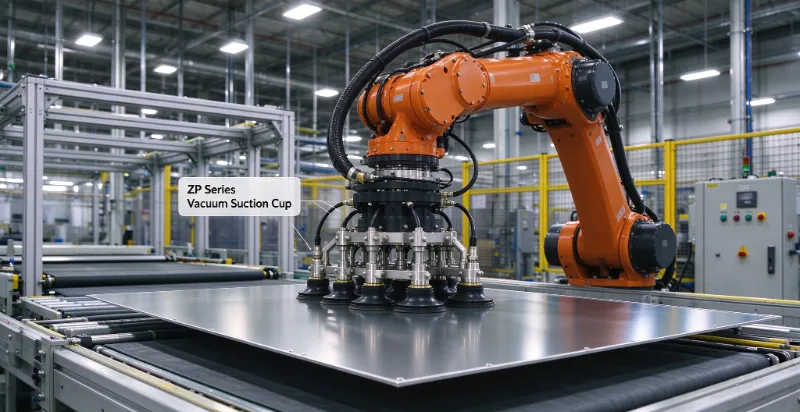 08 2026-10
 The Simplest Technology Changes the World
Sometimes the most ordinary technology hides the greatest industrial wisdom. Vacuum suction cups may appear simple and unassuming, lacking complex circuitry, precision gears or costly structural elements, yet they stand as one of the most widely used key components in automation.
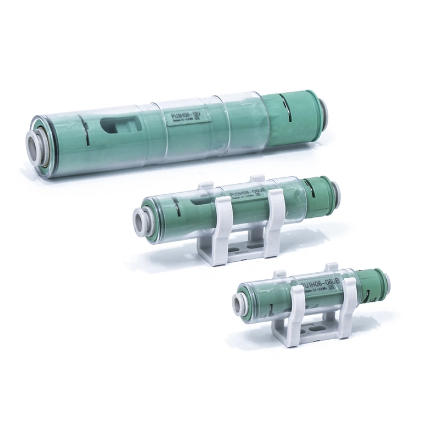 07 2026-09
 What Makes Vacuum Suction Cups the Essential Gripping Component in Smart Factories?
Discover why vacuum suction cups are essential gripping components in smart factories. Learn about their role in automation, material handling, and Industry 4.0 applications.
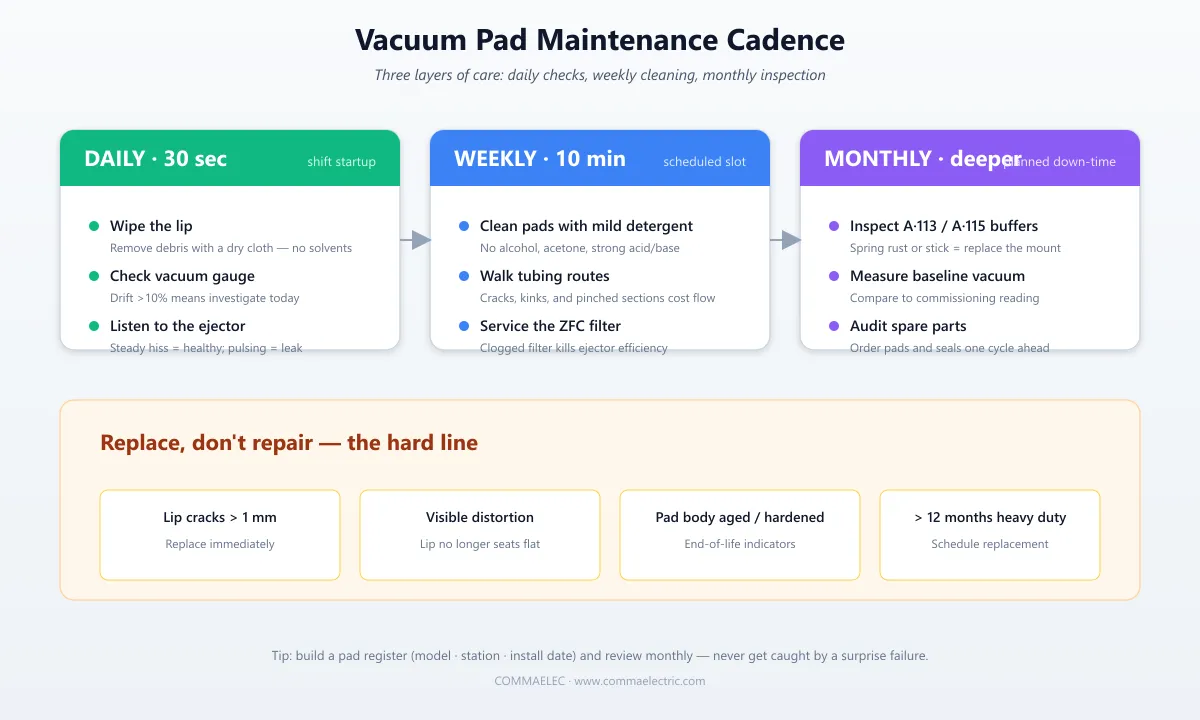 01 2026-09
 Vacuum Pad Maintenance: A Practical Care Guide for Newcomers to Vacuum Handling
When I started in pneumatics, my supervisor told me something I did not fully appreciate until years later: "A suction cup does not wear out on its own. It just gets neglected until it fails."
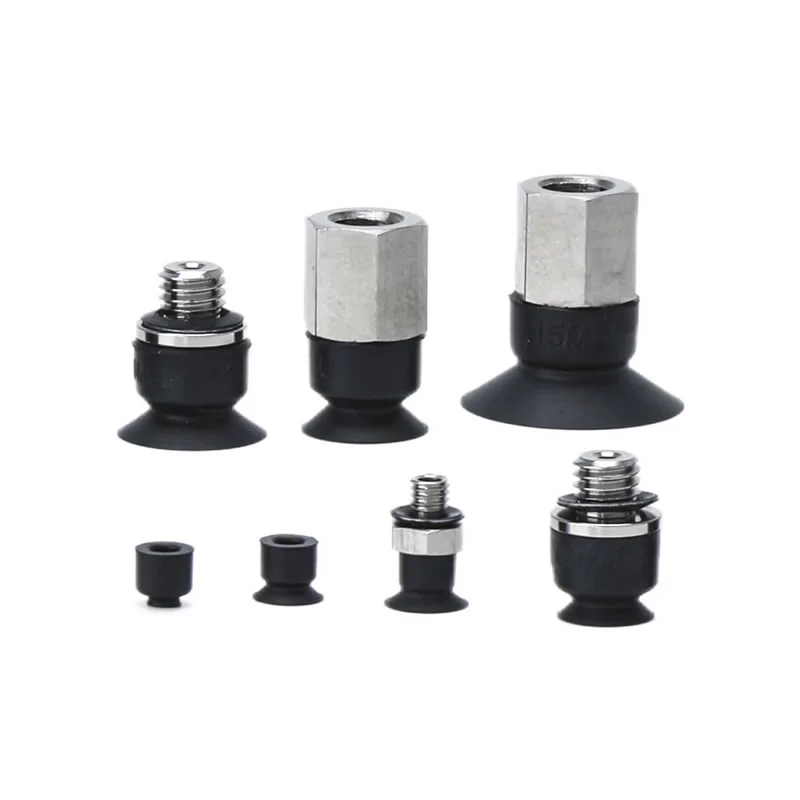 31 2026-08
 Why Are Short-type Vacuum Suction Cups ZP2-MU Becoming a Smart Choice for Precision Automation
When automated equipment must handle tiny components in extremely limited spaces, Short-type Vacuum Suction Cups ZP2-MU from Comma provide a compact and practical vacuum gripping solution. With pad diameters from φ2 to φ15 mm, a low-profile structure, multiple material choices, and flexible mounting configurations, the ZP2-MU series is designed for precision handling applications where conventional suction cups may be too large or difficult to position.
 25 2026-08
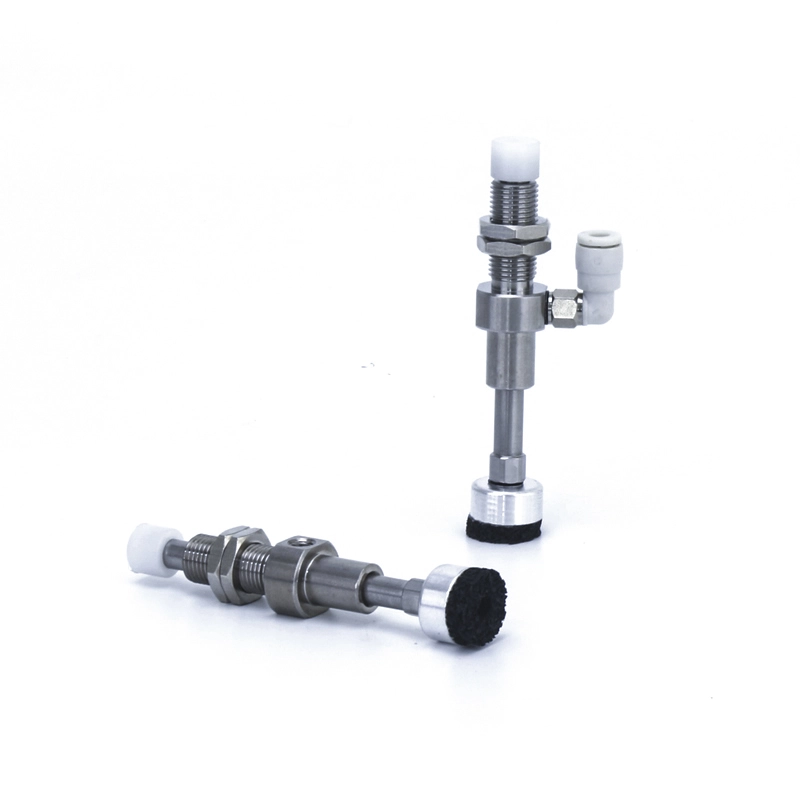
 Why Are No Spring Buffer Sponge Vacuum Suction Cups ZP2 a Smart Choice for High-Precision Automation
No Spring Buffer Sponge Vacuum Suction Cups ZP2 combine sponge-based surface adaptability, stainless steel construction, a springless self-resetting design, and reliable vacuum holding for automated material handling. Developed by Comma for demanding industrial applications, this vacuum suction cup is particularly suitable for solar energy, electronics, precision components, and other applications where gentle gripping and stable positioning are essential.
 18 2026-08
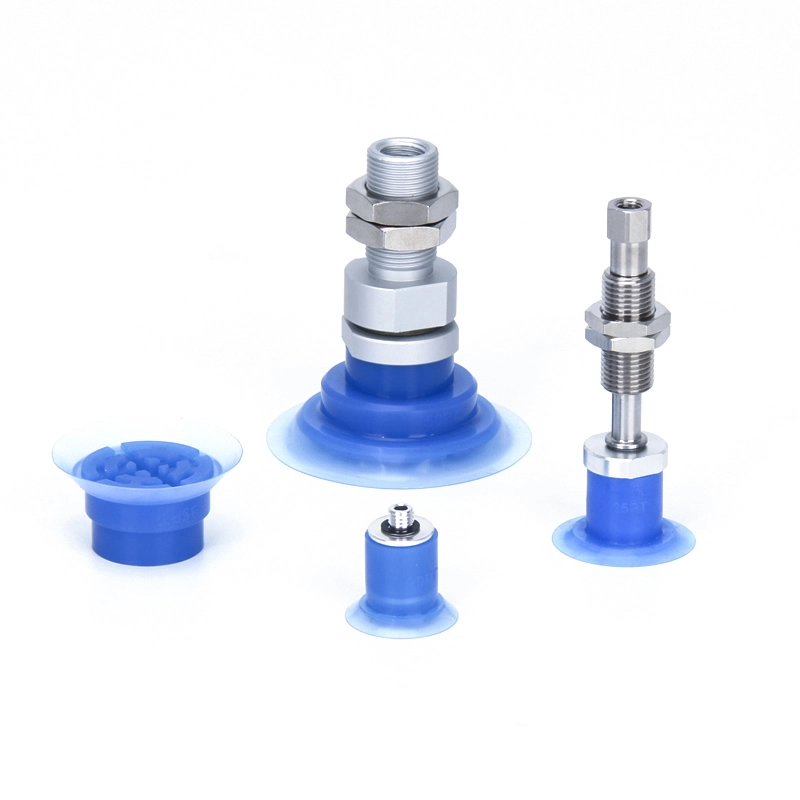
 How Can For Film Adsorption Vacuum Suction Cups ZP3P-PT Improve Flexible Film Handling in Industrial Automation
Handling thin films, flexible bags, and deformable packaging materials is a demanding task for automated equipment because conventional gripping methods can create wrinkles, leakage, tearing, or unstable positioning. The For Film Adsorption Vacuum Suction Cups ZP3P-PT from Comma are specifically designed for flexible materials, combining a thin-film skirt structure with silicone rubber and stable vacuum adsorption. This article explains their design, material characteristics, configuration options, industrial applications, and selection considerations for manufacturers and automation engineers.