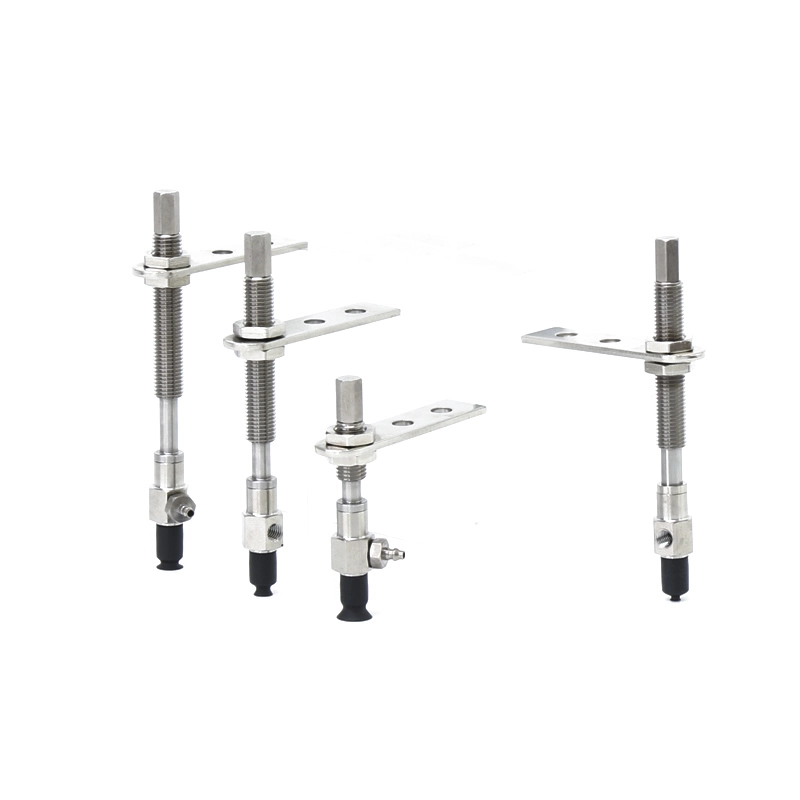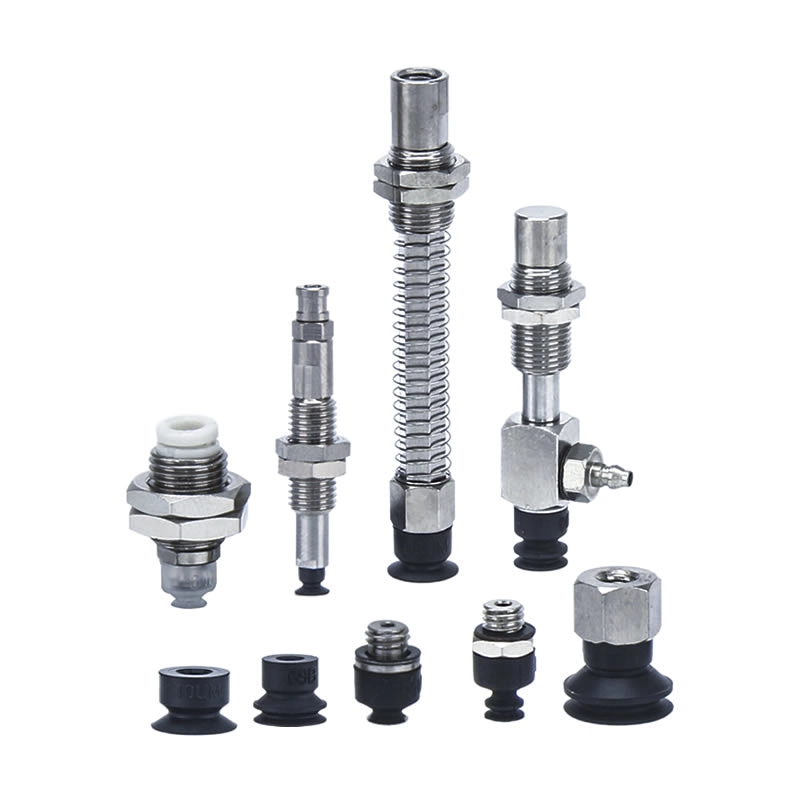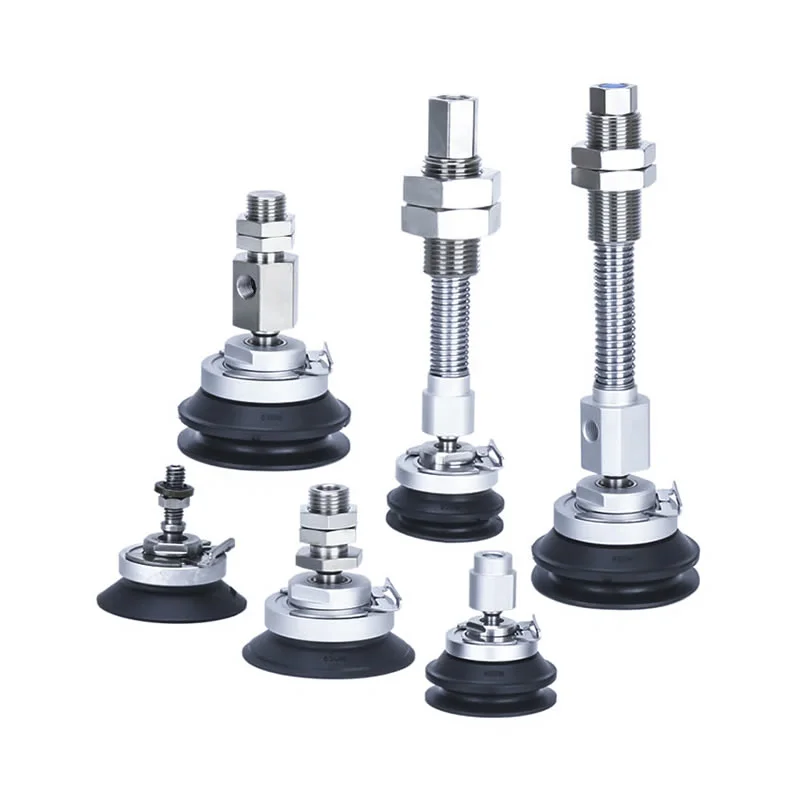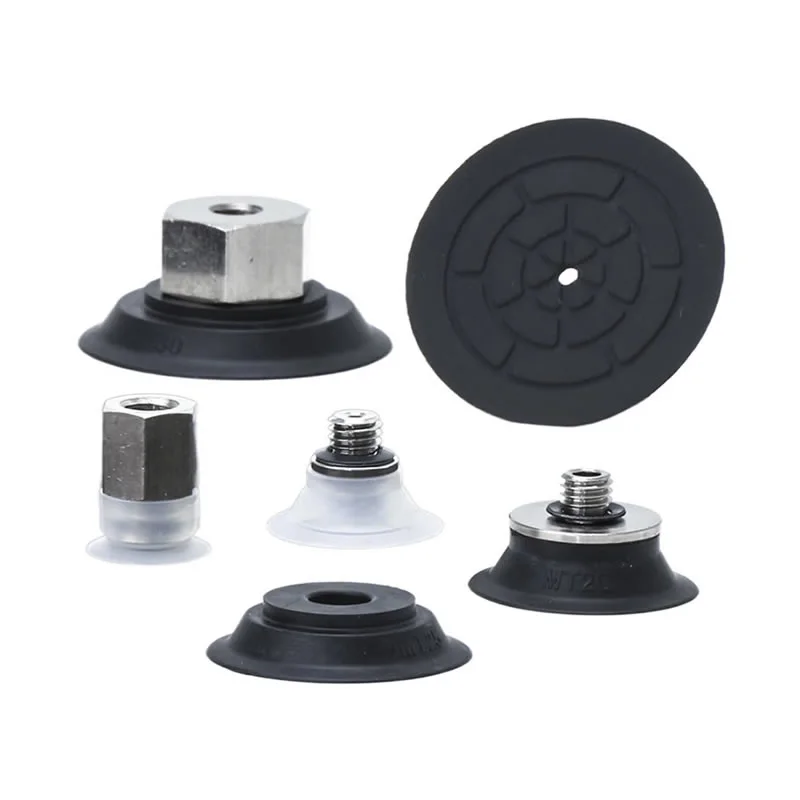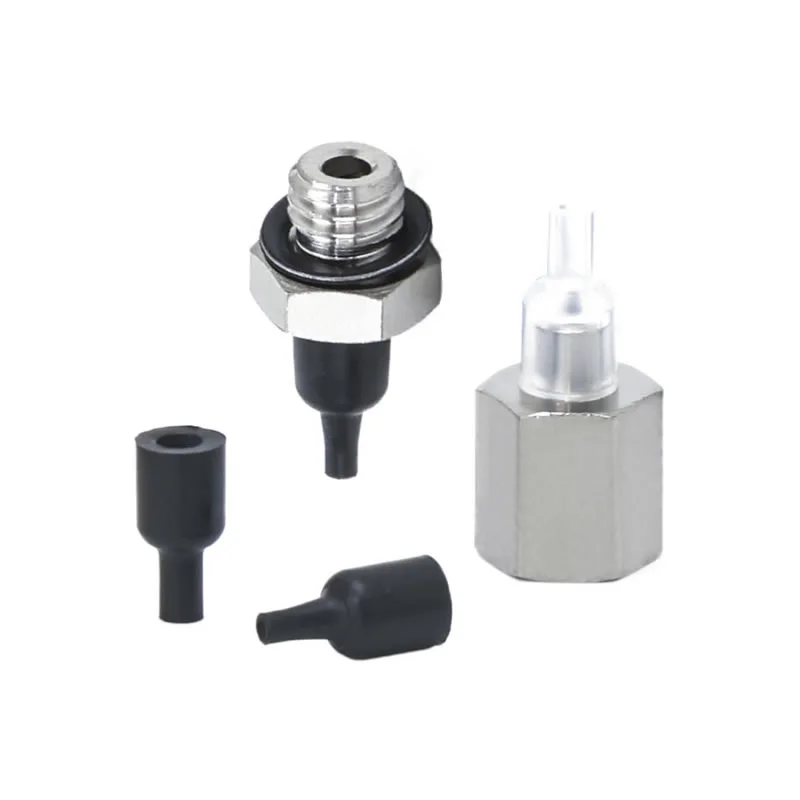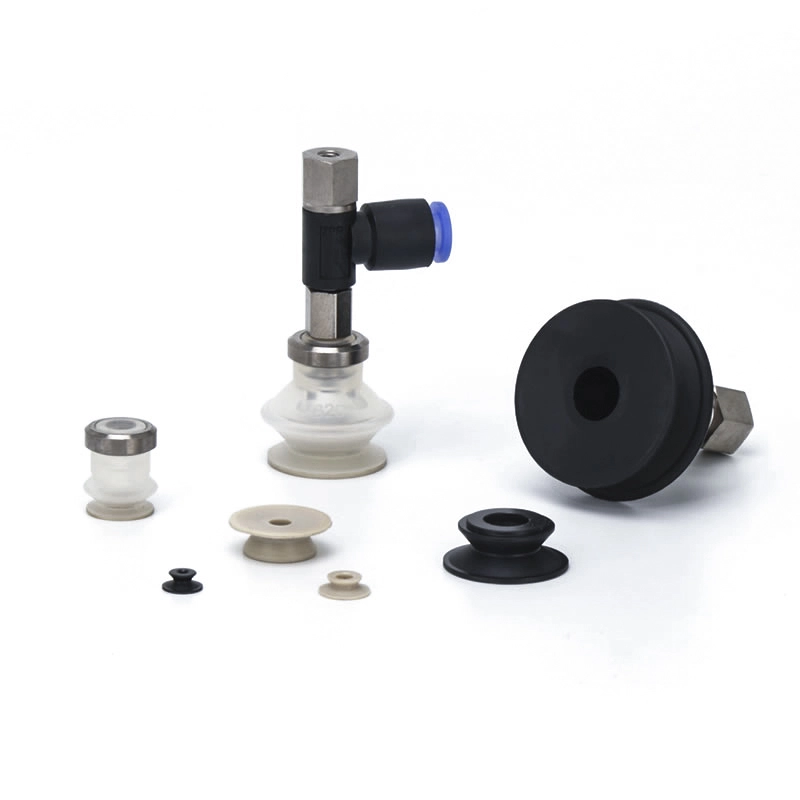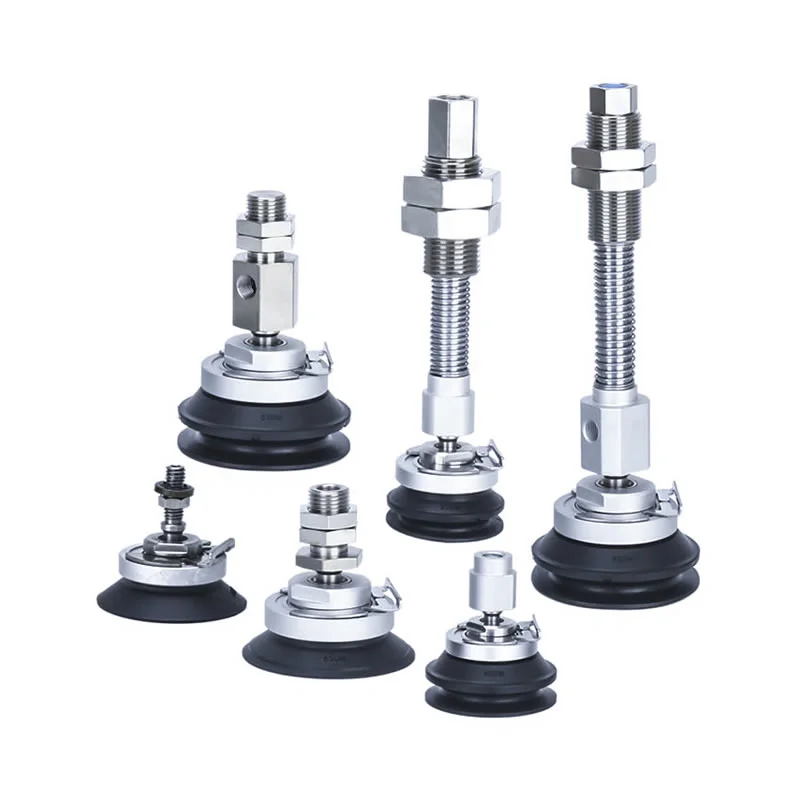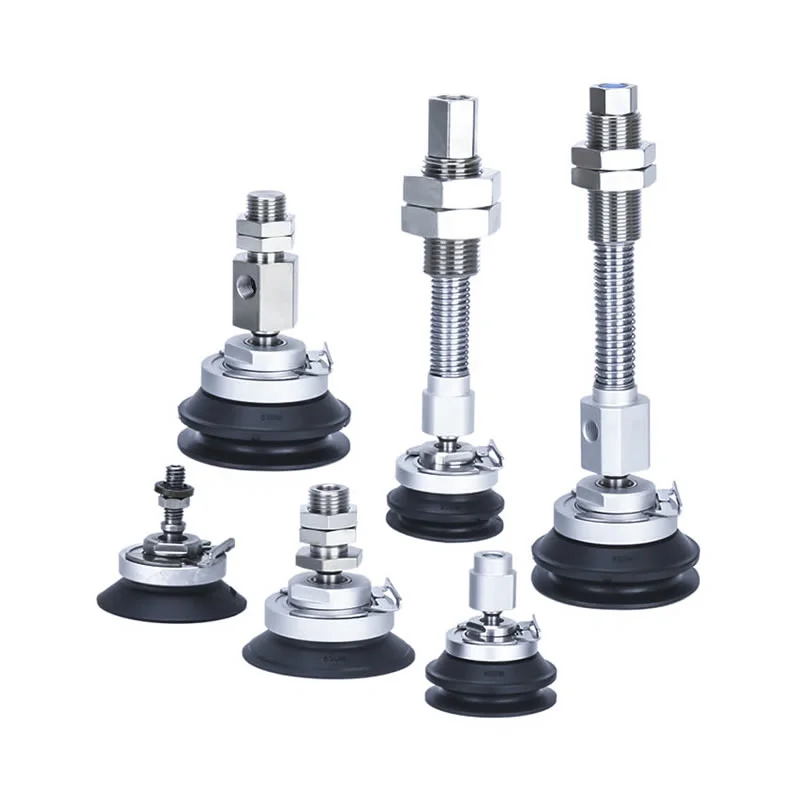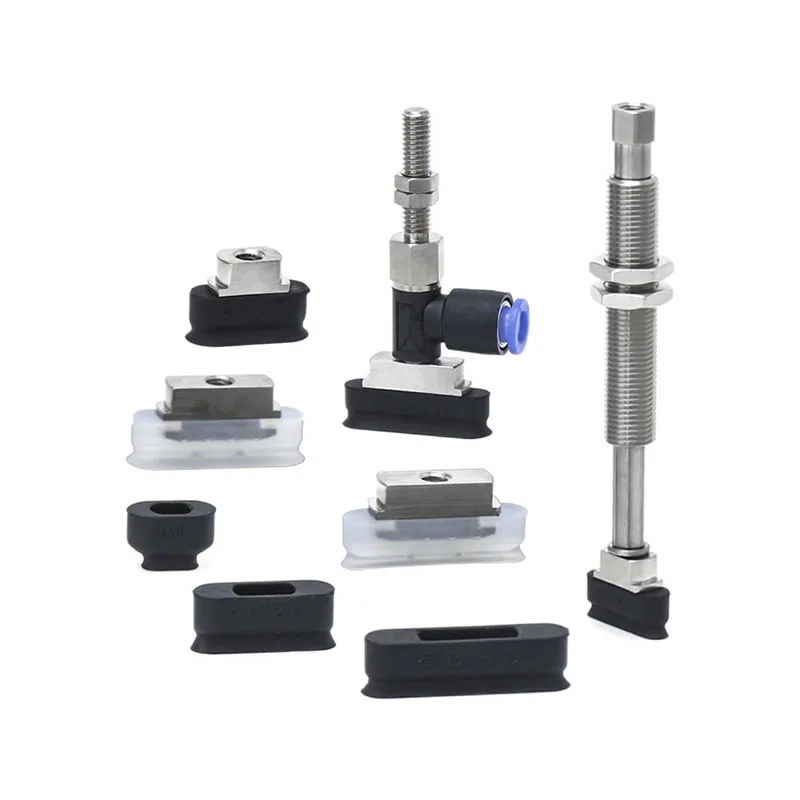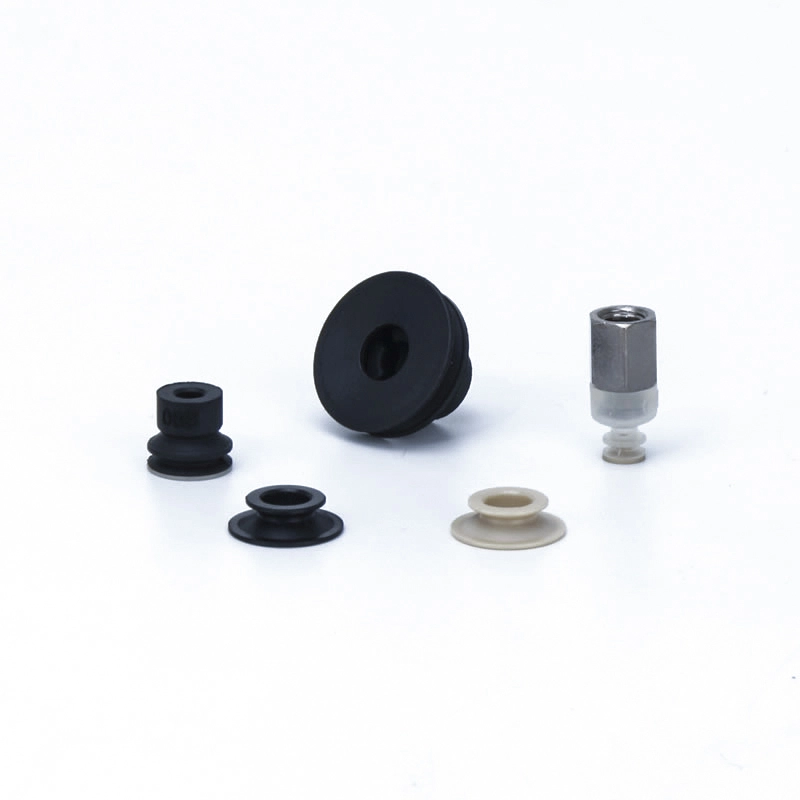
Article Summary: No Spring Buffer Sponge Vacuum Suction Cups ZP2 combine sponge-based surface adaptability, stainless steel construction, a springless self-resetting design, and reliable vacuum holding for automated material handling. Developed by Comma for demanding industrial applications, this vacuum suction cup is particularly suitable for solar energy, electronics, precision components, and other applications where gentle gripping and stable positioning are essential.

Table of Contents
- What Are No Spring Buffer Sponge Vacuum Suction Cups ZP2?
- What Are the Key Features of the ZP2 Vacuum Suction Cups?
- What Are the Technical Specifications of ZP2?
- How Should the Vacuum Pad Material Be Selected?
- Where Can ZP2 Vacuum Suction Cups Be Used?
- What Advantages Does the Springless Design Provide?
- How Can Buyers Select the Right ZP2 Configuration?
- FAQ About No Spring Buffer Sponge Vacuum Suction Cups ZP2
What Are No Spring Buffer Sponge Vacuum Suction Cups ZP2?
For automated material handling, choosing the right gripping component can directly affect production stability, workpiece safety, and cycle efficiency. Comma's No Spring Buffer Sponge Vacuum Suction Cups ZP2 are designed for applications requiring dependable vacuum adhesion while maintaining gentle contact with workpieces. According to the manufacturer's product information, the ZP2 is especially developed for the solar energy industry and can also support other industrial automation applications.
Unlike conventional vacuum cups that rely heavily on mechanical spring buffering, the ZP2 incorporates a stainless steel buffer structure with a springless self-resetting design. Its sponge pad can conform to surfaces with slight irregularities, helping create stable contact without excessive mechanical complexity.
This combination makes the product relevant to manufacturers looking for a compact vacuum gripping solution for robotic arms, automated transfer systems, and repetitive pick-and-place operations.
What Are the Key Features of the ZP2 Vacuum Suction Cups?
The performance of an industrial vacuum pad depends on more than suction force alone. Surface conformity, material compatibility, mechanical structure, vacuum stability, and installation configuration all influence real-world handling performance.
- Sponge contact surface: The flexible sponge construction can conform to uneven, textured, or slightly irregular workpieces.
- Stainless steel buffer rod: The buffer rod is made from stainless steel, supporting durability in industrial environments.
- Springless self-resetting structure: The design eliminates the conventional spring buffer while allowing the component to reset itself.
- Reduced vacuum loss: Vacuum pressure-holding technology is designed to provide stable adhesion and minimize leakage during handling.
- Flexible installation: Configurations include lateral vacuum inlet options and different connection specifications.
- Multiple material choices: The ZP2 family supports rubber and silicone-related material options, including conductive variants for specialized applications.
These features allow the ZP2 to address applications where a vacuum gripper must balance gentle handling, compact installation, and repeatable operation.
What Are the Technical Specifications of ZP2?
Understanding the ordering configuration is important when integrating a vacuum suction cup into an automated machine. The manufacturer's listed ZP2-Y configuration provides several defined parameters for engineers and purchasing teams.
| Parameter | ZP2-Y Specification |
|---|---|
| Vacuum inlet direction | Y – Lateral |
| Pad diameter | 15 mm |
| Pad material | E – Sponge |
| Buffer specification | J – Rotating |
| Buffer stroke | 15 mm |
| Vacuum inlet | M5 × 0.8 |
| Connection thread | M10 × 1.0 |
The exact configuration should be selected according to the robot or pneumatic system, workpiece geometry, available installation space, and required handling characteristics. The manufacturer's ordering information identifies the above parameters as key configuration elements.
How Should the Vacuum Pad Material Be Selected?
Material selection is an important consideration because different industrial environments expose suction cups to different temperatures, chemicals, static-electricity requirements, and surface conditions.
| Material | Typical Temperature Range | Typical Applications | Key Consideration |
|---|---|---|---|
| NBR | 0 to 120°C | General workpieces, corrugated board, iron plate | General-purpose handling |
| Silicone Rubber | -30 to 200°C | Semiconductor, thin workpieces, food processing | Wide temperature capability |
| Urethane Rubber | 0 to 60°C | Corrugated board, iron and veneer plates | General industrial handling |
| FKM | 0 to 250°C | Chemical applications | High-temperature and chemical environments |
| Conductive NBR | 0 to 100°C | Semiconductor applications | Static-electricity resistance |
| Conductive Silicone | -10 to 200°C | Semiconductor applications | Antistatic handling |
These figures represent general material characteristics rather than universal operating guarantees. Actual selection should consider the workpiece, environment, vacuum level, temperature, chemical exposure, and production requirements.
Where Can ZP2 Vacuum Suction Cups Be Used?
The ZP2 is particularly relevant to automated handling where surfaces may not be perfectly flat and where minimizing workpiece damage is important.
Solar Energy Manufacturing
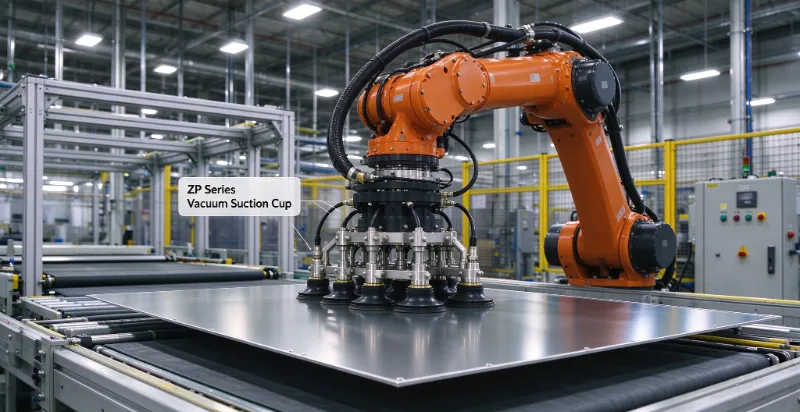
Solar modules and related components can require careful handling because surface damage may affect product quality. The sponge pad can provide a softer contact interface, while the compact structure supports automated transfer operations. Comma specifically identifies the ZP2 as a solution for the solar energy industry.
Electronics and Semiconductor Production
Electronic components often require precise positioning and controlled contact. Depending on the selected pad material, vacuum suction cups can be configured for applications where scratch resistance or static-electricity management is important.
Automated Packaging
Vacuum gripping technology can also support carton, packaging material, and lightweight component handling. Sponge-based cups are useful when workpiece surfaces are soft, textured, or slightly irregular.
Robotic Pick-and-Place Systems
When installed on robotic arms, the ZP2 can support repetitive picking, transferring, positioning, and loading operations. Its simplified springless structure can be beneficial in high-cycle automation where unnecessary moving components may increase maintenance requirements.
What Advantages Does the Springless Design Provide?
The phrase “no spring buffer” describes one of the most distinctive aspects of this ZP2 configuration. Instead of relying on a conventional spring mechanism, the product uses a springless self-resetting approach.
- Reduced mechanical complexity: Fewer conventional moving components can simplify the overall structure.
- Maintenance convenience: A simpler mechanism can help reduce potential maintenance points in repetitive applications.
- Compact integration: Applications with restricted installation space can benefit from avoiding additional spring-buffer clearance.
- High-cycle suitability: The design is intended for repetitive automated handling where consistent operation is important.
- Gentle gripping: The sponge contact surface helps accommodate delicate or slightly uneven workpieces.
For applications with limited space and relatively even workpieces, the manufacturer specifically recommends considering the no-buffer approach.
How Can Buyers Select the Right ZP2 Configuration?
Purchasing teams and automation engineers should evaluate the complete application rather than selecting a suction cup solely by diameter or price. A practical selection process includes:
- Identify the workpiece: Record its weight, dimensions, surface finish, rigidity, and material.
- Evaluate surface conditions: Determine whether the surface is flat, textured, curved, porous, or slightly uneven.
- Check the available space: Confirm that the suction cup and connection structure fit the robotic tooling.
- Choose the pad material: Consider temperature, oil, chemical exposure, abrasion, static electricity, and surface sensitivity.
- Confirm connection requirements: Match the vacuum inlet and thread specifications with the existing pneumatic system.
- Consider production cycles: High-frequency automation requires stable vacuum performance and durable components.
- Validate the actual workpiece: Testing with production samples is recommended before large-scale deployment.
For buyers sourcing from a China manufacturer or supplier, technical communication is especially important. Providing workpiece drawings, photographs, dimensions, surface information, and application conditions can help the supplier recommend a more appropriate configuration.
FAQ About No Spring Buffer Sponge Vacuum Suction Cups ZP2
1. What are No Spring Buffer Sponge Vacuum Suction Cups ZP2 mainly used for?
They are designed for automated vacuum handling, with particular emphasis on solar energy applications. They can also be used for electronics, injection-molded components, small metal parts, and other industrial workpieces where gentle and stable gripping is required.
2. Does the ZP2 use a conventional spring buffer?
No. The ZP2 configuration uses a springless self-resetting design. The manufacturer's description states that the buffer rod is stainless steel and that the system resets itself without a spring.
3. What is the standard ZP2-Y pad diameter listed by the manufacturer?
The listed ZP2-Y configuration has a 15 mm pad diameter, with a 15 mm buffer stroke, M5 × 0.8 vacuum inlet, and M10 × 1.0 connection thread.
4. Can the ZP2 handle uneven surfaces?
Yes. Its sponge contact material is designed to conform to protrusions, depressions, textured surfaces, and slight misalignment, helping maintain stable vacuum adhesion.
5. How do I choose the correct pad material?
Material selection should be based on operating temperature, chemical exposure, workpiece material, static-electricity requirements, abrasion, and application environment. Options listed by the manufacturer include NBR, silicone rubber, urethane rubber, FKM, conductive NBR, and conductive silicone.
Conclusion: Is ZP2 Suitable for Your Automation Project?
No Spring Buffer Sponge Vacuum Suction Cups ZP2 offer a practical combination of sponge-based adaptability, stainless steel construction, springless self-resetting operation, and stable vacuum gripping. For solar energy, electronics, robotic handling, and other automated production environments, the ZP2 can be considered when the application requires gentle contact, compact integration, and reliable repetitive handling. Before purchasing, engineers should verify workpiece characteristics, vacuum requirements, pad material, connection dimensions, and operating conditions. If you are sourcing a suitable vacuum gripping solution from a China manufacturer or supplier, contact us to discuss your application requirements and obtain professional product recommendations for your automation system.